Tuesday, August 28, 2012

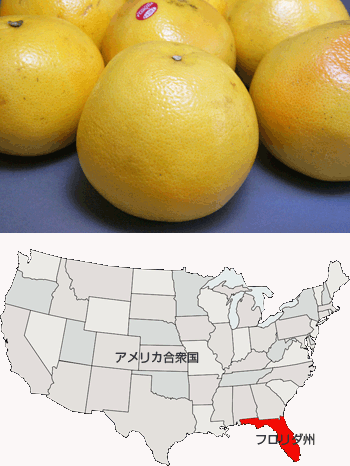
アメリカ産グレープフルーツ皮 Grapefruits Skin from USA


セキュリティトウキョウ 
ゲルマニウム半導体検出器による放射能濃度測定結果 


Result of Germanium Semiconductor Detector radiation test by Security Tokyo
Posted on April 10, 2012

試 料 名
Sample           


グレープフルーツ(皮のみ)


Grapefruits Skin

原産地
Origin of Product


アメリカ合衆国 フロリダ州


Florida, USA


測定条件
Test Condition

2Lマリネリ容器にて 96,000秒の精密測定
Precise measurement for 96,000 seconds using 2 litter Marinelli beaker

分析結果
Test result      

ヨウ素131 Iodine 131 不検出 N/D
放射性セシウム134 Radioactive cesium 134 
ND
放射性セシウム137 Radioactive cesium 137 
0.14  Bq/kg
放射性セシウム合計Radioactive cesium Total 0.14 Bq/kg
Test Date
201249
April 9, 2012

購入場所
Place of Purchase


都内デパート
At a Department Store in Tokyo

測定環境
Test environment  
30万秒のバックグラウンド測定でもCsは検出されないシールド環境
No Cs is detected during 300,000 seconds background measurement. 

測定誤差Cs-137 ±0.02 Bq/kg
Tolerance:  Cs-137 ±0.02 Bq/kg

備  考
Notes

汚染調査のための測定
Test for food contamination research

皮のみなので、可食部はこれ以下。
Edible Portion should be less.

「放射能標準ガンマ体積線源」を使用し、
測定システムが校正されています。
Measuring system is corrected using a radioactive standard point source of
Radioisotope Association.


バンクーバー食品放射能モニタリングのブログサイトへの画像および内容の転載許可をいただいております。
We have obtained the approval to post their results on our blog site.


© 2011 SecurityTokyo.com

情報ソース:セキュリティトウキョウ
Source: Security Tokyo
Here is their notes about their testing.

注意:当サイトのデータは、あくまで参考値としてください。当データに基づき安全性を判断しないでください。当計測値および当サイトの情報に基づき行動され、発生したいかなる損失、損害も当方では一切責任を負いませんので、あらかじめご了承ください。
We appreciate your understanding that all the data on this site are for your reference only. It's not meant to be provided in order to make any judgements about food safety. Security Tokyo is not responsible for any losses or damages caused by your actions based on your decision from our information.


当データは、メーカーや生産者を糾弾するためのものでは決してなく、多くの人びとの率直な要望である、すべての食材や土壌の分析情報取得要求に応えるものであり、その分析データはメ製造者や行政等の調査と比較し検討されるべきものであります。
Our data is not to be used to denounce specific Manufacturers or Producers, but to meet people’s demand of getting the information on foods and soil testing. The data should be used to compare the ones from the government or manufacturers for your consideration.


Saturday, August 25, 2012

アンケート集計結果 Survey results

放射能食品汚染に関する意識調査のアンケートにご協力いただいた方。ありがとうございました。
もう少し数を集めたいと思っていますが、現時点での中間報告をしたいと思います。
Thanks so much for joining the survey. We are still collecting more responses, but here is the interim report as of today. (Total response count is 27)


3. If you answer Yes, how do you consider and make decision?
ある、とお答えいただいた方は、具体的にどんなことかご記入ください
(23回答要約:Summary of total 23 responses)

  • 日本産は購入しない・気をつける。
   Not to buy food from Japan.  11

  • 産地を調べる。
   Check the origin of the food.  8

  • 寿司屋、日本食レストランに行かない・行く回数が減った。
   Avoid Sushi or Japanese restaurants. 3)

  • 中国産を避ける。 
   Avoid products from China. 3

  • 魚介類 海藻類に気をつける。 
   Beware of Seafood and Seaweeds. 2

  • (西海岸からの)きのこ類、ベリー類を購入しない。
   Not to buy mushrooms, berries from west coast. (2)

  • なるべくオーガニックストアで購入。
   Get foods from Organic stores as much as possible. 2

  • BC産の物は買ってしまう。 
   Purchase BC products being unsure about safety. 2

  • 東北産のものは購入しない。
   Not to buy products from eastern part of Japan.

  • 韓国産で代用する。 
   Substitute Japanese food with similar products from Korea.

  • 太平洋で採れる魚については不安に思いつつも時々買ってしまっている。
   Unsure about Pacific fish, but cannot avoid buying them completely.

  • なるべくローカルな食材を買うようにしている。
   Try to buy local.

  • アメリカ・カナダ産のものを買うようにする。
   Try to get the products from the US or Canada if possible.

  • 野菜や果物など買う際も、カリフォルニア産地など太平洋側のものは避ける。
   Avoid vegetables and fruits from West Coast including California.

  • 農薬がきついといわれるチリ産のぶどうは食べる前にかなり良く洗う。
         Wash Chili grapes very well, as it’s famous for their use of strong chemical.

  • 魚介類、とくにツナやマグロを購入しない。
   Not to buy fishes, especially Tuna.

  • 日本近海の国から輸入された魚介類を避ける。
   Avoid fishes caught from Japanese coast.

  • 同じものなら海産物はカナダの物を選ぶ。
   Pick Canadian seafood.

  • ワシントン州のりんごなど、北米の原発付近の食べ物に気をつける。
         Beware of North American food from near nuclear plant, like apples from Washington.

  • サスカチュワン州やアメリカに近い地域で取れた食品にも気をつける。
   Beware of foods produced in Saskatchewan and close to border.

  • カナダ産のものは、気にしていない
   Feel OK about food products from Canada.

  • 日本のお菓子など、頻度を減らす。
   Not to have Japanese snacks very often.

  • 日本のお菓子など、つい与えてしまっている。カルシウム強化のお菓子に使用されている、卵殻などは大丈夫なのかと心配。
        Cannot avoid Japanese snacks completely. Worry about ingredients like egg shell contained as calcium supplement.

  • 外食時には、日本から輸入された魚はできるだけ避ける。
         When I dine out, try to avoid fish that are imported from Japan as much as possible.

  • 独自に自分のガイガーカウンターで測定している。
   Measure each food (or ash) with own Geiger counter.
  
  • 流通に不信感がある。 
   Not confident about food distribution.

安い食材をお店が揃えたいという需要さえあれば、変な業者がルートを作って、放射能製品や食品を取り扱い、認識が弱い海外に輸出することに目を向けそうだから。
If Japanese exporters find any demands from oversea's business seeking for lower price, they might take advantage of  it by sending contaminated food to those countries who are less aware of radiation risk.

日本は産地を偽装して輸出したり、日本国内での暫定基準値を超えてしまった食品をベトナム等に輸出したりしていた。  
Some Japanese business may deceive origin of products. They have exported     foods exceeding their radiation limit to Vietnam.
カナダはノーチェックなので「安全です」という表示を見ても疑ってしまっしまう。
Canada does not monitor foods from Japan for radiation, so I cannot be confident of the indication "it's SAFE".


5. If you answer Yes, which food products are you interested in?
はい、とお答えいただいた方は、具体的にどんな食品かご記入ください
(24回答要約:Summary of total 24 reponses)


  • お菓子 Japanese snacks/sweets (7)
  • 味噌 Soy pastes-Miso (7)
  • 海藻類 Seaweed (6)
  • カレーのルー Curry pastes (6)
  • だし類  Broth (Powder etc.)  (5)
  • 海苔 Dried Seaweed-Nori  (5)
  • 納豆 Fermented Soybeans  (5)
  • 海産物 Seafood  (4)
  • 冷凍麺 、麺類 Noodles  (4)
  • しょうゆ soy sauce (4)
  • かつおぶし Dried bonito (3)
  • 日本から輸入されているすべての食品 All food from Japan (3)
  • ふりかけ seasoned flakes  (3)
  • 味の素のコンソメ Consomme (pastes, powder etc.)  (2)
  • インスタント食品 Instant foods (2)
  • 乾麺 Dried noodles  (2)
  • 茶葉 Green Tea (2)
  • 果物、野菜 Vegetable, Fruits  (2)
  • 梅干 Pickled plums  (2)
  • 全食品 all of food (2)
  • 調味料類  Seasoning
  • 乾燥物類 Dried foods
  • 牛乳や卵が含まれる製品。マヨネーズ Dairy Products, Mayonnaise
  • ポン酢 Ponzu
  • Rice
  • 日本からの洋服や雑貨などもできれば。 Clothes and Goods from Japan
  • しいたけ、きのこ類  Shiitake Mushroom and other mushrooms


------------------------------------------------------------------------------------------------------------


それぞれの食卓の、ベストな食品選択ができるよう、参考になりそうな情報を発信していきたいと思います。
We keep trying to provide as much information as possible for your reference to make your best choices for your foods.

アンケート、まだ受け付けています。
We are still collecting responses for the survey.

アンケートのリンクはこちらです。
Please go http://www.surveymonkey.com/s/PLHMDQC


また、カナダの食品測定については、ただいま模索中です。
Testing foods you can get here in BC is under consideration.


Thursday, August 23, 2012

日本茶 Japanese Tea

セキュリティトウキョウ 
ゲルマニウム半導体検出器による放射能濃度測定結果 
2011年10月18日掲載

Result of Germanium Semiconductor Detector radiation test by Security Tokyo
Posted on October 18, 2011


試 料 名
Sample           


緑茶煎茶  Green Tea

Origin/ Place of Production
九州 福岡県産
Fukuoka, Kyushu (Southern Japan)
賞味期限
Expiry date
2012.4.8
April 8, 2012
測定条件
Test Condition
U8容器にて100,000秒の測定
U8 container, measuring for 100,000 seconds
分析結果
Test result      
ヨウ素131 Iodine 131 不検出 N/D
放射性セシウム134 Radioactive cesium 134
1.24 Bq/kg
放射性セシウム137 Radioactive cesium 137
1.17 Bq/kg
放射性セシウム合計Radioactive cesium Total
2.4 Bq/kg
Test Date
2011.10.112011.10.12
Oct. 11, 2011 – Oct. 12, 2011
購入場所
Place of Purchase
都内デパート
At a Department Store in Tokyo
測定環境
Test environment  
10万秒のバックグラウンド測定でもCsは検出されないシールド環境
No Cs is detected during 100,000 seconds background measuring. 

U8容器100,000秒の場合の検出限界: Cs-137  0.81 Bq/kg
Detectable limit under test condition stated above:  Cs-137  0.81 Bq/kg
備  考
Notes  
茶葉を粉末にし測定。茶葉そのままより高密度になり、より精密に測定できる。
Chopped tea leaves into powdery form to measure radioactive materials with more accuracy.
10万秒の測定を行うと検査機関では高額の費用になると思われる。
100,000 second test can be very expensive at inspection institute.


バンクーバー食品放射能モニタリングのブログサイトへの画像および内容の転載許可をいただいております。
We have obtained the approval to post their results on our blog site.


© 2011 SecurityTokyo.com

情報ソース:セキュリティトウキョウ
Source: Security Tokyo
Here is their notes about their testing.

注意:当サイトのデータは、あくまで参考値としてください。当データに基づき安全性を判断しないでください。当計測値および当サイトの情報に基づき行動され、発生したいかなる損失、損害も当方では一切責任を負いませんので、あらかじめご了承ください。
We appreciate your understanding that all the data on this site are for your reference only. It's not meant to be provided in order to make any judgements about food safety. Security Tokyo is not responsible for any losses or damages caused by your actions based on your decision from our information.


当データは、メーカーや生産者を糾弾するためのものでは決してなく、多くの人びとの率直な要望である、すべての食材や土壌の分析情報取得要求に応えるものであり、その分析データはメ製造者や行政等の調査と比較し検討されるべきものであります。
Our data is not to be used to denounce specific Manufacturers or Producers, but to meet people’s demand of getting the information on foods and soil testing. The data should be used to compare the ones from the government or manufacturers for your consideration.


----------------------------------------------------------------


税金と保健の情報サイトより
From Tax and Insurance Information site
お茶の産地については、国内でもあいまいな表記が横行しており、注意が必要だ。もともとお茶の業界では、他県で栽培された茶葉を有名ブランドの産地として売り出すことが珍しくない。
You must be aware that the label showing the place of harvest of Tea is not always correct in Japan. It's not rare that many tea products are sold using the name of harvest place of the Famous brand, even though the tea leaves are produced in the different prefectures.
そのため福島県近郊で栽培されたお茶を安く買いたたいて、九州産などに鞍替えして販売するケースもみられるという。
It is said that some business are selling tea leaves harvested in Fukushima as product of Kyushu.

----------------------------------------------------------------


そして、香港で、日本食品の監視を行っている食品安全センターのモニタリングの結果はこちら
Please refer to 'Daily situation update of food surveillance on food imported from Japan', monitoring results by The Centre for Food Safety in Hong Kong...click here.


2011年8月から2012年6月まで検査した全てのお茶からセシウムが検出されています。この数字はカナダでは、「全く問題なし」です。しかし、「この値が問題ない」と判断するのは各個人であるべきで、思慮深い判断が必要です。家族の健康を守るのは、自分でしかありません。正しい判断ができるという情報に、常に目を向けていてください。
Cs has been detected in all Tea samples tested between August 2011 and June 2012 in Hong Kong. The level is considered " No problem" officially in Canada. But it must be YOU who should decide if it's OK or not for your health. You are the person who make decision to protect you and your family. Please keep informed so as to make a right decision for yourself.