Showing posts with label 水 Water. Show all posts

Thursday, January 1, 2015

バンクーバー水道水フィルター Water Filter - Vancouver

試料 名 Sample:
活性炭フィルター 
Carbon/Charcoal Water filter


採取 場所 Origin:
BC州 バンクーバー
Vancouver B.C. Canada


採取年月 Sampling date:
2014 年 11 月   (November, 2014)

after use of 6 months
6ヶ月間使用


測定日時 Date Tested :
2014 年12月9 日 (December 9, 2014)


測定時間 Duration : 57,600 秒(seconds)


試料容器 Container: 1 Lマリ ネリ容器(Marinelli)


試料重量 Sample weight: 414.8g

 (Citizen Radioactivity Measuring Station, Shinjyuku-Yoyogi)
with Germanium Detector


This filter may not have been able to remove Cesium or other isotopes.

In comparison.....


1 RO filter from Niiza, Saitama


2 RO filter from Katsushika, Tokyo


Wednesday, August 20, 2014

飲料水フィルター比較 Water Filter Comparison

Water filters tested for heavy metals removal
飲料水フィルターの重金属除去テスト


Wednesday, August 20, 2014

by Mike Adams, the Health Ranger

(NaturalNews) As promised, we've now published the results from testing countertop water filters for their ability to remove toxic heavy metals and elements with radioactive isotopes. The brands we tested are:
お約束したとおり、ここに有毒な重金属や放射性物質を除去する水道水フィルターの効力をテストした結果を発表します。フィルターブランドは以下の通り。


water
* Zero Water

* Pur

* Brita

* Seychelle

* Culligan

* Mavea

* Waterman Portable Alkaline Water Purifier


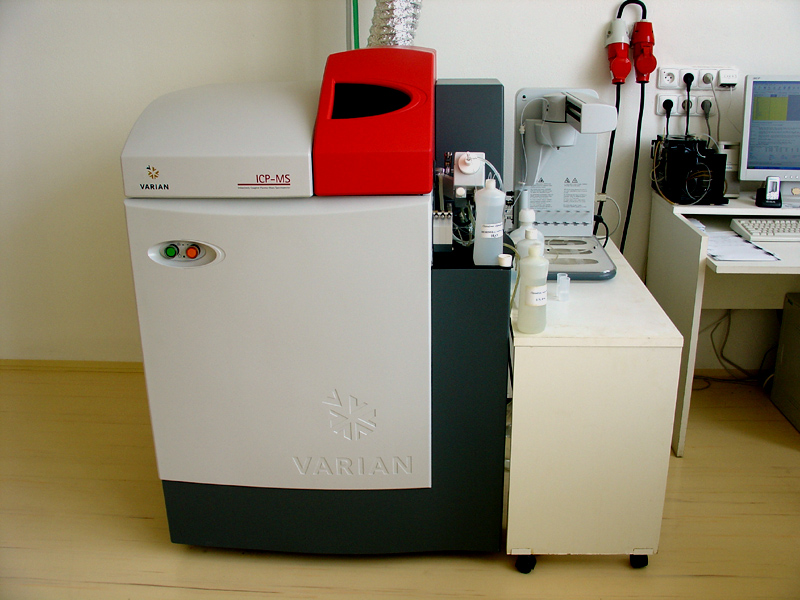
Using ICP-MS instrumentation (see lab videos here), we tested these water filters for their ability to remove toxic heavy metals and elements which have radioactive isotopes.
ICP-MS計測でこれらのウォーターフィルターの重金属、放射性物質の除去能力をテストしました。


Specifically, we tested for removal of:
具体的には、以下の物質の除去テストです。

* Aluminum  アルミニウム
* Copper    銅
* Arsenic     ヒ素
* Strontium   ストロンチウム
* Cadmium  カドミウム
* Cesium   セシウム
* Mercury   水銀
* Lead     鉛
* Uranium   ウラン

  
Why didn't we test for fluoride removal? 
なぜフッ素の除去率をテストしなかったのか?

Fluoride is an extremely difficult element to work with due to its high reactivity (which is one reason why you probably shouldn't drink it). It is also very difficult to remove from water. Testing fluoride concentrations via ICP-MS requires a complicated process run separately from other elements, using different matrix solutions and different plumbing for the instrument.
フッ素は反応度が高いため取り扱いがきわめて難しい成分です。(これがおそらく、飲まないほうがよい理由の一つでしょう。)そして、水から除去するのがとても難しいものでもあります。ICP-MSによるフッ素の濃度のテストは、その検査過程が複雑で、他の成分とは別に分離して測らなければなりません。異なったマトリックス判定や、器具の配管を使用するのです。


How we tested for heavy metals removal 
どのように重金属除去率をテストしたのか

To conduct the tests, we created a multi-element "spike" solution containing from 1300 ppb to 2300 ppb concentrations of each of the tested elements. This spike solution consisted almost entirely of laboratory-grade water (DI water), with a very small fraction (less than 0.1%) of laboratory acids found in element standards for the purpose of matrix stabilization.
検査をするために、それぞれの検査成分に複数の成分を含む1300ppbから2300ppbまでの"スパイク”液を作りました。スパイク液は研究所級の蒸留水でできており、0.1%以下の微量の酸がマトリックスを安定させる目的で成分標準に見られます。


For each water filter, we first ran several cycles of pure water through the filter in order to "flush" it and pre-load the filter cartridge with purified laboratory water. Once that was complete, we loaded each water filter pitcher with the spiked solution containing the multiple elements listed above.
それぞれのフィルターは、まず「洗い流し」、浄化した研究所の水でフィルターのカートリッジを前処置するために何回か純水を通します。それが終わったら、上記のリストにある複数の成分を含んだスパイク液の入ったピッチャーに水を入れます。


After the water passed through the filter and was emptied into the holding section at the bottom of the pitcher, that filtered water was then sampled with a clean pipette, weighed on a calibrated laboratory scale and prepped for ICP-MS analysis.
その水がフィルターを通りピッチャーの底へ流し終えたら、そのフィルターにかけられた水はきれいな測定器に収集され、較正された研究所の秤にかけられ、ICP-MS分析のために準備されます。


Each sample was run via ICP-MS using a variety of quality control methods, including the use of calibration checks during the run and a four-point calibration curve for each element. Keep in mind that our ICP-MS instrumentation is far more accurate and sensitive than labs running ICP-OES. In fact, we have had to correct other labs using ICP-OES who discovered their calibrations were way off. The Natural News Forensic Food Lab is in the process of ISO 17025 certification.
それぞれのサンプルは、計測中の較正確認、4点較正カーブを含むそれぞれの成分の品質管理方法を使用しICP-MSにかけられます。ICP-MS測定は、ICP-OESよりもはるかに正確で精密なものであることを覚えておいてください。実際に、他の研究所でICP-OESを使用し、その較正が全く的外れであったことが分かり、間違え正さなければならなかったことがあります。ナチュラルニュースのラボは、ISO17025の認定を得る手続きをとっています。


Click here to learn about Heavy Metals Defense, a supplement invented by the Health Ranger for capturing toxic heavy metals during digestion.
有害な重金属を吸収してしまったときにそれらを捕らえるためにヘルス・レンジャーによって発明されたサプルメントについては、こちら


What we did NOT test for
テストしなかったものは?

We did not test for removal of PCBs, pesticides, chlorine or other organic compounds. Accordingly, we cannot reach any conclusions on how well these filters might work on removing those substances.
PCB(ポリ塩化ビフェニール、農薬、塩素、他の有機化合物の除去率はテストしていません。これらの物質を除去するのに、それぞれのフィルターがどのくらい効果があるのかということについてはまだいかなる結論にも達していません。

Testing for those complex molecules would require additional instrumentation which we do not yet have in our lab. (Remember, the Natural News Forensic Food Lab is entirely self-funded and receives no grant money from the government.)
これらの複雑な分子をテストするには、他の測定が必要で、それは私たちのラボではできないのです。(ナチュラルニュースのラボは完全に自己資金で成り立っており、政府からの補助は全く
ありません。)


Performance Overview
効果の大要

What shocked me the most about the results of this testing is just how poorly most water filters performed on the removal of toxic heavy metals.
このテストの結果について最も衝撃的だったのは、有害な重金属の除去についてほとんどのウォーターフィルターの結果がなんとも酷かったことです。


Most of the water filters we tested were entirely unsatisfactory in terms of heavy metals removal, in my informed view. Only two filters showed results which I would consider to be sufficient. Most filters also appeared to perform very poorly for removal of elements with radioactive isotopes (uranium, cesium, strontium).
重金属について言えば、今回テストしたほとんどのフィルターが、わたしとしては全く満足のいくものではありませんでした。十分だと考えられる結果が見られたのは、たったの2つのフィルターだけです。ほとんどのフィルターはまた、ウランやセシウム、ストロンチウムのような放射性物質の除去に効果がありませんでした。


Here's an overview of what we found, element by element:
以下、テスト結果から分かった成分別の大要です。


  Click here to see the full results at the Natural News Forensic Food Lab.


Aluminium  Removal
アルミニウムの除去

Four of the seven filters tested here actually increased aluminum concentrations in the filtered water.
7つのフィルターのうち4つのフィルターは、フィルターを通した水のアルミニウムの濃度が増えていました。


This indicates they are using a filtration media which contains aluminum and allows some amount of aluminum to enter the water stream during filtration.
これは、フィルターの媒体にアルミニウムが含まれており、水を通すことで水中にアルミニウムが流れ込んでしまっているということを示唆しています。


Only one filter removed 100% of all aluminum (Zero Water). 
たった1つのフィルター(Zero Water)しかアルミニウムを100%除去できませんでした。


Copper Removal
銅の除去

Copper removal ranged from a low of 8.6% to a higher of 99.1%.
銅は下は8.6%から上は99.1%の除去率でした。


The average copper removal rate was 44.8%.
平均除去率は、44.8%です。


Copper is associated with mental insanity if consumed in very high quantities. Many homes still contain copper pipes, causing copper contamination of tap water.
銅は大量摂取すると、精神異常に繋がるとされています。多くの家で今でも銅のパイプが使われ、水道水の銅汚染の原因となっています。


Arsenic Removal

ヒ素の除去

Arsenic removal ranged from 12.1% to 99.3%, with an average removal of 42.6%.
ヒ素の除去率は12.1%から99.3%で、平均は42.6%。


Arsenic is a cancer-causing metal that's linked to cancer and organ damage. It's a common contaminant in well water.
ヒ素は発癌性のある重金属で、癌や内臓の損傷と関連付けられています。井戸水の一般的な汚染物です。


Cadmium Removal
カドミウムの除去

Cadmium is a toxic heavy metal which can cause kidney damage, heart damage and hardening of the arteries.
カドミウムは肝臓、心臓の損傷や動脈硬化の原因となる有毒な重金属です。


Cadmium removal ranged from 6.6% (Brita) to a high of 99.2% (Zero Water). The average removal was 33.1%.
カドミウムの除去率は6.6%(Brita)から最高で99.2%(Zero Water)でした。平均は33.1%。


Mercury is an extremely toxic heavy metal that can cause brain damage, kidney damage and reproductive damage.
水銀は脳、肝臓の損傷、生殖損傷の原因となる極めて有毒な重金属です。


Because mercury is a "sticky" element, it's the easiest to remove of all. Removal rates ranged from 62.4% (Culligan) to a high of 99.7% (Waterman Mini).
水銀は、「べたべたした」要素なので、何よりも取り除きやすいものです。除去率は62.4%(Culligan)から最高で99・7%(Waterman Mini)でした。


Average mercury removal across all the filters was 88.5%.
水銀の平均除去率は全てのフィルターを通して88.5%。


Lead Removal
鉛の除去

Lead is a toxic heavy metal that causes brain damage and organ damage in the human body. Natural News has found significant quantities of lead in Organic Rice Protein superfoods imported from China.
鉛は脳、人間の内臓損傷の原因となる有害な重金属です。ナチュラルニュースは、中国から輸入されたオーガニックのお米のたんぱく質スーパーフードにかなりの量の鉛を発見しました。

Lead removal ranged from a low of 14.1% (Brita) to a high of 93.7% (Waterman Mini).
鉛の除去率は低いところで14,1%(Brita)から、高くて93.7%(Waterman Mini)でした。

Average lead removal was 52.5%.
鉛の除去率平均は52.5%。


Strontium Removal
ストロンチウム除去

In its non-radioactive form, strontium is a bone-building nutrient that's often found with calcium.
放射性でないストロンチウムは、カルシウムにしばしば見られる骨を作る栄養素です。


Some water filters removed almost no strontium (Brita and Mavea), while the Zero Water Filter removed 100% of strontium.
いくつかのフィルター(BritaとMavea)は、ストロンチウムをほとんど除去できませんでした。一方で、Zero Waterのフィルターはストロンチウムを100%除去’しました。


One filter, the Waterman mini, increased strontium concentrations in the resulting water, indicating use of strontium in the filter media. This is not a bad thing. Strontium is actually a nutritive mineral(Q1), much like calcium.
1つのフィルター、Waterman miniは、検査した水のストロンチウムの濃度を上げてしまいました。フィルタの媒体にストロンチウムが使用されていることを示唆しています。これは悪いことではありません。ストロンチウムは実際は栄養価のあるミネラルで(Q1)、カルシウムに良く似ているのです。


Cesium Removal
セシウム除去

Cesium removal is important to consider due to the Fukushima disaster and the radioactive fallout of Cesium-137.
セシウムの除去率は、福島事故とセシウム137の放射性降下物のため、考慮することが重要です。


I am intimately familiar with cesium binding and removal technologies, as I invented the patent-pending Cesium Eliminator dietary supplement that binds with and captures radioactive isotopes of cesium.
私は、セシウムを結合させ除去する技術についてかなり詳しいです。なぜなら、特許申請中の放射性セシウムを捕らえて結合させるセシウム除去サプルメントの発明者だからです。


In our testing of water filters, cesium removal varied from a low of 9.5% (Brita) to a high of 100% (Zero Water).
今回のフィルターのテストで、セシウム除去率は9.5%(Brita)から100%(Zero Water)でした。


Average cesium removal was 35.3%.
セシウム除去の平均率は35.5%。


Uranium Removal
ウラン除去

Removal of uranium is crucial for those planning on surviving a nuclear accident or nuclear war. Following nuclear events, uranium and cesium both fall out of the sky in radioactive forms, settling on bodies of water which are used for irrigation and public water supplies.
ウランの除去は、原子力事故や核戦争を生き残るためにきわめて重要です。原子力事故の後には、ウランとセシウムが放射性物質となって空から降ってきます。農業用水や公共の水道水に入り込んでしまいます。


Removing radioactive uranium isotopes from drinking water is a crucial survival strategy following a nuclear incident. Only two filters we tested showed an ability to remove substantial amounts of uranium: Zero Water and the Waterman Portable Alkaline Water Purifier.
放射性ウラン核種を飲料水から取り除くことは、原子力事故後に生き残るために大変重要なのです。私たちがテストした中で、2つのフィルターだけが十分な量のウランを除去することができることを示していました。それは、Zero WaterとWatermanのポータブルアルカリ水浄水器です。


Magnesium mineralization
マグネシウム鉱化作用

Two water filters we tested substantially increased the level of magnesium in the filtered water. The highest water mineralization rate was achieved by the Waterman mini filter, which is advertised as creating "alkaline water."
私たちがテストしたフィルターにかけた水のマグネシウムの値を大幅にあげたものが2つありました。最も鉱化作用が高かったのは、Watermanの見にフィルターで、「アルカリ水」を作ることができると宣伝されています。


The claim is true. While the magnesium concentration of the water we poured into the water filters was only 1.3 ppm, the Waterman Mini increased the magnesium concentration of the resulting water to nearly 250 ppm.
その主張は本当でした。フィルターに注ぎ込んだ水のマグネシウムの濃縮度はたったの1.3ppmでしたが、Watermanミニはフィルターを通した水でほぼ250ppmにまで濃縮が高まっていたのです。


This is a substantial increase in magnesium concentration. The Seychelle filter also increased magnesium concentrations to nearly 250 ppm, indicating it has a "mineralization" component in its filter cartridge.
これはマグネシウム濃度のかなりの増加です。Seychelleのフィルターもマグネシウムの濃縮をほぼ250ppmまで上昇させました。これは、フィルターカートリッジの中に「鉱化作用」のある成分が含まれていることを示唆しています。


Recommendation and Conclusion
提言と結論

Based on the laboratory analysis completed here at Natural News, I can only recommend two water filters in the category of countertop "pitcher" filters.
ラボの分析に基づき、ピッチャーフィルターの中では2つのものだけをお勧めできると言えるでしょう。


The two filters I recommend are:
その2つのフィルターは、以下の通りです。


1) Zero Water


2) Waterman Mini


To read more about patent-pending dietary supplement formula... please click here.


Friday, February 7, 2014

ウォーターボトル水源地 Origin of Water Bottle

  Real Canadian (Super Store Brand) : High River, Alberta


Safeway Brand: High River, Alberta     


Nestle: Hope, BC 


 Montclair: Hope, BC


Danzai: Filtered( reverse osmosis, special blend of minerals added) Local Water


Information kindly provided by a JP Canada reader.

These are not our recommendation for safety. Only the information of the origins for your reference to search for your own choice.


Saturday, March 2, 2013

原子力災害へ備えるための15ステップ ~スッテップ7~ The 15 steps to Nuclear Disaster Preparedness ~Step 7~

Step  7 Protect your water source from radioactivity.


ステップ7 飲料水を放射能から守りましょう。


1. First and always keep a two weeks supply of filtered water on hand.
まず、フィルターに通した水を2週間分常に蓄えておきましょう。

In order to figure out the amount to have for your whole family, calculate at least 1 gallon per person per day for drinking and sanitation. Do not forget to include water supplies for your pets.
家族全員分の量は、飲み水、衛生用として一日一人当たり1ガロン(4リットル)で計算します。ペットの分もお忘れなく。

If a two week supply is too much to handle, be sure you have at ieast 3 days worth.
もし2週間分が扱いきれなければ、最低3日分は確保してください。

A word of caution: Unopened (sealed) water bottles should be good for at least 1 year. After a bottle is opened, the water will begin to grow bacteria in less than a month. So if you are filling up bottles of water as your emergency supply, you need to empty your bottles and refill once a month
注意: 開封していない水ボトルは1年間は大丈夫なはずです。キャップを開けてしまったものは1ヶ月以内にバクテリアが繁殖し始めます。もし緊急用としてボトルに水をためておくのであれば、毎月1度、ボトルの水を入れ替える必要があります。


As a fall back, if you don’t have clean, refilled open bottles or sealed purchased water and an emergency happens, it is good to know that  a typical home water heater can provide 30 or more gallons of clean drinking water.
いざというとき、もし綺麗な入れ替えた水や開けていない水のボトルがないときに緊急事態が発生したら、一般家庭の典型的な温水ヒーターのタンクの水が30ガロン以上の綺麗な飲料水になるということを覚えておくと良いでしょう。


To use the water in your tank, first turn off the electricity or gas to the water heater. Then, close the supply valve to preserve the cleanliness of the water in the tank. Next, get the air out of the tank by opening any hot water tap such as the kitchen sink. (note: The water coming out of the tank may be very hot.) You can use a short water hose (e.g., the supply hose to a Washing machine) to drain the water from the tank. Use a screwdriver or coin to operate the drainage valve. If you do not have a hose to transfer the water to jugs or pots, use a shallow pan to collect the water. Allow the tank to fill before restoring power to the water heater.
タンクの水を使用するには、まず温水ヒーターの電源、あるいはガスを止めます。そしてタンク内の水を綺麗に保つため、供給バルブを閉めます。次に台所の流しのような温水の蛇口をあけ、中の空気を出します。(タンクから出る水はとても熱いかもしれないので注意)短いホース(例えば、洗濯機に取り付けてあるホース)をタンクから水を汲むのに使うのも良いでしょう。排水弁を操作するのにはドライバーかコインを使いましょう。もし水を容器に汲むためのホースがなければ、浅いなべを使いましょう。タンクに水が溜まってから、温水ヒーターの電源を入れてください。


2. Then, be sure that, if a nuclear disaster happens, you will have a regular supply of water that is free from radioactivity.
放射能災害が起きたときに、放射能を含んでいない水を確保できるようにしてください。

Ideally you have a water well that is in the ground – it would be protected from atmospheric fallout.  If you can dig a well easily on your property – dig a well.  After the nuclear disaster at Fukushima, Rod Marining, co-founder of Greenpeace,  moved from the coast to 100 Mile House so he could give his family clean well water.
理想的なのは井戸水です。-大気の降下物質から守られています。自分の敷地で容易に井戸を掘ることができるのであれば、井戸を掘りましょう。福島の放射能災害の後で、グリーンピースの共同設立者であるロッド・Marining氏は、海岸沿いから100マイルハウスの家に移りました。そこには自分の井戸から水を汲むことができたからです。


In Vancouver, unfortunately, we have open water reservoirs and Metro Vancouver does not test our drinking water supply on a regular basis. If they do, they do not report it on their website.
不幸なことに、バンクーバーでは貯水池が屋外にあり、メトロ・バンクーバーは定期的に飲料水の検査をしていません。やっていても、ウェブサイトに報告はしません。

So you need to buy a water filter that filters out radionuclides:
なので、わたしたちは放射性核種をろ過するフィルターを購入する必要があります。

a.Buy a stainless steel water filter from Your Water Matters.
   ステンレスの水フィルターを購入しましょう。

click image to go to Your Water Matters website


b.Add a reverse osmosis filter that filters out radioistopes.
放射性核種をろ過する逆浸透フィルターを付け足しましょう。

click image to go to Aquasafe system website


c. And for added security, you could to the above system, a zeolite filter that absorbs radioisotopes.
そして、更に安全を確保するのに、このシステムに放射性核種を吸収するゼオライトフィルターを付け加えましょう。

OR: you can buy a complete reverse osmosis system - Multi-Pure’s CBT-Plus-RO from Your Water Matters for about $600.
あるいは-完全な逆浸透ろ過システムを購入しましょう。Multi-Pure’s CBT-Plus-ROは、Your Water Mateersで約$600で入手できます。

click image to go to Multi-Pure's CBT-Plus-RO website

This way, you don’t have to hope that the civic drinking water is being checked and that the allowable level of radionuclides is not above what you would like to be drinking (i.e. zero)
こうすれば、行政が飲料水を検査してくれれば、とか、許容レベルが自分が飲みたいと思えるレベル(例えばゼロ)より高くないように、などと神頼みする必要もありません。

Information from Water Matters

The EPA recommends RO and ion exchange for radionuclides.The information they provide is very general. There are no NSF standards or tested protocols.Companies who sell water treatment equipment do not test specifically for radionuclides as there is no protocol to test with.
アメリカ合衆国環境保護庁は、RO(逆浸透)とイオン交換を薦めています。そのインフォメーションは大変一般的なものです。NSF(規定を定める第三者国際公衆衛生、環境検査機関)特に放射能物質についての検査協定がないので、水処理装置を販売する企業は、検査していません。
Gases, like iodine 131, can penetrate through a reverse osmosis membrane.There is some evidence that activated carbon may capture iodine 131.Carbon blocks activated for lead removal (using ion exchange)may also have some effectiveness against Cesium -137. However, as you know, once captured, the radionuclides will continue to emit, making frequent changeouts even more important.
ヨウ素131のような希ガスは、逆浸透膜を貫通してしまいます。活性炭がヨウ素131を捕らえるかもしれないという証拠がいくつかあります。鉛を取り除くのに使う活性化された炭素片(イオン交換使用)もセシウム137にいくらか効果があるかもしれません。しかし、一度捕らえると、その放射性物質は放射し続けます。頻繁に交換することが更に重要になります。

Combining a high quality RO membrane with carefully chosen carbon and possibly adding extra ion exchange cartridge would probably be your best bet.
質の良い逆浸透に、選り抜いた活性炭、そしておそらくイオン交換を加えることが、最良の賭けだと思います。

You can’t beat Multi-Pure for quality and for longstanding reputation:
complete reverse osmosis system - Multi-Pure’s CBT-Plus-RO
質の良さと、長年の評判から 逆浸透ろ過システム Multi-Pure’s CBT-Plus-ROに勝るものはないでしょう。


Sunday, October 7, 2012

バンクーバーの水に放射性トリチウム Radioactive Tritium found in Vancouver B.C. Water

I have just read Dr. Gordon Edwards’ article on Tritium Emissions.  Dr. Edwards is the President of the Canadian Coalition for Nuclear Responsibility. Dr. Edwards is consultant on nuclear issues and has been qualified as a nuclear expert by courts in Canada and elsewhere.
ゴードン・エドワード博士のトリチウム(三重水素)についての記事を読みました。エドワード博士は、カナダ原子力責任連合の代表を務めています。彼はカナダの裁判所などにより、原子力の専門家としての認められています。


Some key points concerning tritium:
トリチウムについての主なポイントは以下の通りです。

1. Tritium is a radioactive hydrogen atom.  It replaces one of the stable hydrogen atoms in water H20 and is called tritiated water HTO.  Like H20, tritiated water is colourless and odourless. It has a half life of 12.3 years so it will be around for 123 years before it decays away.
トリチウムは放射性水素原子です。トリウムは水(H2O)内の安定した水素原子の1つに置き換えられ、それはトリウム水と呼ばれます。H2Oのように、トリウム水は色も臭いもありません。半減期は12.3年ですので、全てが崩壊しつくすのに123年くらいかかります。


2. Naturally occurring tritium is extremely rare on Earth, where trace amounts are formed by the interaction of the atmosphere with cosmic rays. The Ontario Drinking Water Advisory Council (ODWAC) says that anything above 2 bq/l of tritium in drinking water is due to man-made pollution from nuclear weapons or from nuclear reactors.
宇宙線と大気との反応により天然発生するトリチウムは地球上では極稀です。オンタリオ州飲料水諮問委員会は、飲料水に含まれるリットルあたり2ベクレル以上のトリチウムは核兵器か原子炉からの人工的な汚染物である、と言っています。


3. The Canadian standard for tritium in drinking water is 7000 becquerels per litre which is 350,000% higher than background. (One Bq is defined as the activity of a quantity of radioactive material in which one nucleus decays every second).
カナダの飲料水におけるトリチウムの基準は1リットルあたり7000ベクレルです。これは、バックグランドより35万%高い数値です。
(ベクレルとは、1秒間に1つの原子核が崩壊して放射線を放つ放射能の量)

4. Two independent scientific advisory bodies in Ontario have recommended reducing the permissible level of tritium in drinking water by a factor of 350 – down to 20 becquerels per litre maximum.
オンタリオ州の2つの独立した科学諮問機関は、飲料水に含まれるトリチウムの許容量を350倍低くし、最大1リットルあたり20ベクレルにするように提言しました。


5. The UK Committee Evaluating Radiation Risks from Internal Emitters (CERRIE) has concluded that the biological harm caused by a given tritium exposure could be as much as 15 times greater than the harm caused by a corresponding quantity of gamma or X-ray.
英国内部放出体リスク査定委員会は、ガンマ線やレントゲンによる害よりも、同量のトリチウムの被曝のほうが生物学的に15倍害を与えると結論づけました。


6. Every radionuclide has its own unique pathway through the body.  e.g Iodine 131 damages the thyroid. Cesium 137 goes to the muscle and is especially damaging to the heart muscle. Strontium 90 lodges in the bone and causes leukemia.  But tritium, because it is attached to water, goes everywhere in the body and becomes incorporated directly into organic molecules.
全ての放射性各種は体内で独特の挙動をします。例えばヨウ素131は甲状腺を損傷させ、セシウム137は筋肉に影響を与え、特に心筋を損傷させます。ストロンチウム90は骨に留まり、白血病を引き起こすします。しかしトリチウムは、水に付随しているので、体内中に回り、直接組織の筋肉と結合するのです。


“The public is only now becoming aware of the magnitude of tritium’s hazards. Most studies indicate that tritium in living creatures can produce typical radiogenic effects including cancer, genetic effects, developmental abnormalities and reproductive effects. Tritium can cause mutations, tumors and cell death.”
「人々は今になってやっとトリチウムの危険性の規模に気付き始めている。ほとんどの研究が、生き物内にあるトリチウムが癌、遺伝子への影響、成長異常や生殖影響のような典型的な放射能による影響の原因になることを示している。」


8. It has been shown that tritium crosses the placenta and enters the body of a developing fetus quite readily and that tritium damages both chromosomes and genes. A sudden intake of tritium can have a disproportionate effect on the subsequent life of a developing fetus.
トリチウムは胎盤を通り、発達中の胎児の体に容易に入り込むので、染色体や遺伝子を傷つけることも示されています。トリチウムを突然取り込むことは、発達中の胎児のその後に不相応な影響を与えかねません。


9. It is not possible to filter out tritium once it is in the water. Bottled water is the only way to avoid drinking it (as long as the bottled water is tested to be tritium free).  But it will still be in the rain water and will be absorbed through the skin in bath and shower water.
一度水に入ってしまったら、トリチウムをフィルターにかけることは不可能です。ペットボトルの水がトリチウムを取り込まない唯一の方法となります。(ペットボトルの水にトリウムが含まれていないと検査されている限りですが)しかし、それは雨水にも含まれ、お風呂やシャワーの水から皮膚を通して吸収されるでしょう。

----------------------------------------------------------------------------

After the triple meltdowns and hydrogen explosions at Fukushima Daiichi in March, 2011, the City of Vancouver tested for radionuclides in the three open reservoirs at Capilano, Coquitlam and Seymour.
2011年3月の福島第一原発のトリプルメルトダウンの後、バンクーバー市はキャピラノ、コキットラム、シーモアの3箇所の野外貯水場を検査しました。


The lab gave a fairly high Minimum Detection Level for tritium - 15 becquerels per litre. For all three reservoirs, the results for March 16, 2011, March 25, 2011, March 28, 2011, April 5, 2011, April 11, 2011, April 18, 2011 and April 26, 2011 were all “less than 15 bq/l”.
検査室は、トリチウムについて1リットル(=kg)につき15ベクレルとかなり高い検出限界値を示しています。この3箇所の貯水場の去年3月16日、25日、28日、4月5日、11日、18日、26日の検査結果は全て1リットル当たり15ベクレル以下でした。


Metro Vancouver either did not test for tritium on May 2, 2011 and September 21, 2011 or did not report results.
メトロバンクーバーは、去年5月2日と9月21日には検査をしていないか、検査結果を報告しませんでした。


In January 2012, Metro Vancouver sent their water samples to the TestAmerica lab in Richland, Washington, U.S.A. TestAmerica sent results to Metro Vancouver but Metro Vancouver did not publish these results on their website. I found out about this because I contacted TestAmerica in August 2012 to find out about sending some foods to them for radioisotope testing.
今年の1月、メトロバンクーバーは水のサンプルをアメリカワシントン州リッチランドのテストアメリカ検査室に送りました。テストアメリカはメトロバンクーバーに検査結果を送りましたが、メトロバンクーバーはその結果をウェブサイトで発表しませんでした。このことは、今年8月に自分の食品サンプルをテストアメリカに送った際に知ることになりました。


TestAmerica said they could test my samples but that they would like me to have an expert to analyze the results.  I asked them to recommend someone to me and they said they didn’t know anyone in Vancouver but that Metro Vancouver had sent samples to them and they suggested I call Metro Vancouver for a recommendation. If TestAmerica had not told me Metro Vancouver had done a test with them, I would not have known that more water samples had been tested.  Once I had this information, I was able to request the test results from Metro Vancouver.  The results are public information, so Bob Jones of Metro Vancouver sent me the results.
テストアメリカは、私のサンプルを検査することができるけれども、結果を分析できる専門家を探して欲しいと言い、誰か推薦できる人がいないか尋ねると、誰も知らないけれど、メトロバンクーバーがサンプルを送ってきていたので、聞いてみたらどうか、と言われました。もし、テストアメリカが、その検査のことを言ってくれなければ、更に水のサンプルが検査されていることを知ることはなかったでしょう。その情報を得たので、わたしはメトロバンクーバーに検査結果を依頼することができたのです。メトロバンクーバーのボブ・ジョーンズが結果を送ってくれました。


TestAmerica has much lower detection levels than the previous lab used by Metro Vancouver. Their “Method Detection Limit” is 3.6 to 3.7 bq/l.
テストアメリカの検査の(トリチウムの)検出限界は前の検査室のものよりかなり低いもので、1リットル当たり3.6から3.7ベクレルです。

Results in Jan 2012:
2012年1月の結果(トリチウム)

Seymour:  0.574 bq/l ±1.813
Capilano:   4.884 bq/l ±1.924
Coquitlam: 5.698 bq/l ±1.924


Greater Vancouver Water Supply Sources & Systems


Keeping in mind what Dr. Gordon Edwards said – that 2 bq/l is background and anything over that is either from a nuclear reactor or nuclear weapons (i.e. man made) then the Capilano Reservoir is 144% above background levels and the Seymour Reservoir is 185% above background levels. 
ゴードン・エドワード博士が言ったことを思い出してください。1リットル当たり2ベクレルがバックグランドの数値で、それ以上のものは、原子炉か核兵器(人工的に作られたもの)からのもので、そうすると、キャピラノ貯水場はバックグランドの144%のレベルで、シーモア貯水場はバックグランドの185%のレベルです。


Both Cesium 134 and Cesium 137 were detected in the January 2012 water tested.  Cesium 134 is a trademark of Fukushima.  The tritium could have come from Fukushima.
セシウム134と137も2012年1月の検査で検出されました。セシウム134が検出されたことは、福島の事故由来であることを示しています。トリウムも福島からのものであるとも考えられます。


I 131
(bq/L)
Cs 134
(bq/L)
Cs137
(bq/L)
Sr90
Sample Date
Seymour Intake
0.049
±0.152
0.103
±0.118
-0.140
±0.104
-0.009
±0.018
Jan. 4, 2012
Capilano Intake
0.123
±0.115
0.015
±0.107
-0.038
±0.096
0.003
±0.019
Jan. 4, 2012
Coquitlam Intake
-0.057
±0.148
0.147
±0.111
0.086
±0.100
-0.002
±0.017
Jan. 5, 2012


FYI... 日本とらべて見ると

I 131
(bq/L)
Cs 134
(bq/L)
Cs137
(bq/L)
Sr90
Sample Date
Fukushima
ND
0.0032
0.0048
N/A
Apr~Jun
2012
Ibaraki
ND
0.0048
0.0064
N/A
Apr~Jun
2012
Tokyo             
ND
0.0020
0.0029  
N/A 
Apr~Jun
2012
http://radioactivity.mext.go.jp/ja/contents/6000/5879/24/194m_0801.pdf
Cs in Vancouver water seems more than that of Japan water...
バンクーバーの水のセシウムは、日本の水のセシウムよりレベルが高いようです。。。
 
As the earlier 2011 results only measured any levels over 15 bq/l, it is not possible to compare results and see if they are rising or falling. This is another good reason why Metro Vancouver should have an ongoing, regular, monthly system in place of monitoring the city water. Why they will not do this is still a mystery.
2011年の初めの(トリチウム)検査では1リットル当たり15ベクレルを以上のレベルしか測らなかったため、今回の結果の数値が上がっているのか下がっているのか知る術がありません。このことは、メトロバンクーバーが引き続き定期的に月ごとの検査をするシステムを構築するべきだという理由でもあります。なぜしないのか、未だにミステリーです。


Metro Vancouver has not published the January 2012 results.  Metro Vancouver has not warned the public.  The public has the right to know and choose to buy bottled water or not drink water from these reservoirs.
メトロバンクーバーは、2012年1月の結果を発表していません。住民に警告していません。住民には現状を知る権利と、ペットボトルの水を購入するか、これらの貯水場からの水を飲まないかを選ぶ権利があるのです。


Metro Vancouver has not replied to my queries as to whether they have done any further testing since January 2012.  Nine months later I do not know what the tritium levels in Vancouver water is. The reactors at Fukushima are still releasing an estimated 10 million becquerels per hour into the atmosphere - every hour of every day.
メトロバンクーバーは、2012年1月以来、更に検査をしたかどうかについての私の問い合わせには答えていません。私は、9ヶ月経った今も、バンクーバーの水のトリチウムのレベルを知らないのです。福島の原子炉は、未だに1時間に1000万ベクレルを大気中に放出していると推定されています。毎時、毎日です。

Metro Vancouver should be testing more regularly to see whether or not the disaster is affecting our open water supply.
メトロバンクーバーは、その惨事が私たちの野外の水の供給に影響しているのかどうかを知るために、もっと定期的な検査をするべきです。

Pacific Nuclear Awareness Group
(Japanese translation is done by a Vancouver Food Raditaion Monitering Volunteer)


以下、この検査結果に対する落合栄一郎氏からのコメントです。
Comment made by Mr. Eichiro Ochiai

福島のようないわゆる軽水炉では、トリチウムはできにくいはずだが(できないわけではない)、カナダの原子炉Candu炉は、冷却水に重水を使っているので、トリチウムができ易いと思います。原発の周囲にかなりのトリチウムが出ている(通常運転で)ことは、報告があります。そして、ドイツの全原発の周囲5km以内に住む子ども達に白血病が、それ以遠に住む子ども達の2倍ほど多いという、ドイツ政府機関の報告もあります。これが、トリチウムによるかどうかは、明確にはなっていませんが。
Tritium is hardly produced by light water reactor like the one at Fukushima Daiichi, even though it is not none. On the other hand, it’s easier to produce Tritium in Canadian Candu reactor as heavy water is used as cooling water for it. It is reported by a German government agency that considerable amount of Tritium is released during regular operation of nuclear plant, and 2 times of leukemia cases are reported among children living within 5 km radius from a German plant than the area further away.  Although it is unclear that it is due to the release of Tritium.

さて、バンクーバーの水道水のトリチウムのレベルは、ちょっと高めですね。本当に、バンクーバー全体の水が常にこのレベルにあるとし、しかも、この水(5Bq/L)を平均して、子ども一人が1リットル飲むとすると、1時間に1万8千の放射線を、1年間に、1億6千万の放射線をあびることになる。これが健康にどの程度の影響を及ぼすか。ゼロでないことは確かだが、心配するべきかどうか。私の推定では、あまり心配しなくともよいと考えられる。というのは、体には、1kg中に5e11(5000億)個の細胞があるので、細胞1個当たりの放射線量は、極僅かと考えられるから。それにしても、この測定は継続するべきですね。ただし、カナダのトリチウム許容量は、驚くほど高い。これは下げるべきですね。
The level of Tritium in Metro Vancouver drinking water is relatively high. If it was a normal level of Vancouver drinking water, and children kept drinking 1 litter of this water (average, 5bq/kg or litter) a day, they would received 18,000 radiation counts (particles) per hour. It means they would received 160,000,000 radiation counts in a year. How much it would affect on human health? It's definitely NOT zero, but should we worry? I suppose we do not have to worry so much. Because there are 5e11 (500,000,000,000) cells per kg in our body, so the amount of radiation which would hit to one cell is very small. This kind of test should be continued, by the way. The maximum acceptable limit of Tritium in Canada is surprisingly high. It should be lowered.

(English translation is done by a Vancouver Food Raditaion Monitering Volunteer)