Showing posts with label さけ Salmon. Show all posts

Monday, January 16, 2017

カナダ北BC州野生サーモン Northern BC Wild Salmon 2015 


Updated: January 5, 2018

試料 名 Sample:

野生キングサーモン-オス (乾燥)
Wild  Chinook Salmon - Male (Dried)

採取 場所 Origin:
Quesnel River, Likely BC  Canada

採取年月 Sampling date: 2015 年9月21日 (September 21, 2015)


測定日時 Date Tested :
2016 年9月13 日
(September 13, 2016)

測定時間 Duration : 72,000 秒(seconds)


試料容器 Container: 200mLマリ ネリ容器(Marinelli)

試料重量 Sample weight: 102.4g

13.3 kg → Freeze Dried: 122g 

 (Citizen Radioactivity Measuring Station, Shinjyuku-Yoyogi) with Germanium Detector


試料 名 Sample:
いくら (乾燥)
Wild  Chinook Salmon roe (Dried)

採取 場所 Origin:
Quesnel River, Likely BC  Canada

採取年月 Sampling date: 2015 年9月21日 (September 21, 2015)

測定日時 Date Tested : 2016 年9月14 日 (September 14, 2016)

測定時間 Duration : 72,000 秒(seconds)


試料容器 Container: 500mLマリ ネリ容器(Marinelli)

試料重量 Sample weight: 341g

1/3 sub sample - Freeze Dried + Dehydrated 398g 

 (Citizen Radioactivity Measuring Station, Shinjyuku-Yoyogi) with Germanium Detector


Sr90 ストロンチウム90 ND 検出限界以下  <1.25 bq/kg

測定日時 Date Tested : 2017 年12月6 日 (December 6, 2017)
測定時間 Duration : 14時間 (14hours)

試料重量 Sample weight: 10g
Tested by Iwaki Radiation Measuring Center, Trachine with SL300/SLL - coordinated by Citizen Radioactivity Measuring Station, Shinjyuku-Yoyogi 


Thursday, November 3, 2016

カナダBC州野生サーモン BC Wild Salmon 2015


Updated: January 9, 2018

試料 名 Sample:

野生キングサーモン-メス (乾燥)
Wild  Chinook Salmon - Female (Dried)

採取 場所 Origin: Kilby Park, BC  Canada

採取年月 Sampling date: 2015 年11月9日 (November 9, 2015)


測定日時 Date Tested : 2016 年9月12 日 (September 12, 2016)

測定時間 Duration : 72,000 秒(seconds)


試料容器 Container: 200mLマリ ネリ容器(Marinelli)

試料重量 Sample weight: 149.4g

乾燥前 Before dehydration: 998g → 213g (Dehydrated for 8 hours at 160°F)

 (Citizen Radioactivity Measuring Station, Shinjyuku-Yoyogi) with Germanium Detector


Sr90 ストロンチウム90 ND 検出限界以下  <2.5 bq/kg

測定日時 Date Tested : 2017 年11月29 日 (November 29, 2017)
測定時間 Duration : 14時間 (14hours)

試料重量 Sample weight: 5g
Tested by Iwaki Radiation Measuring Center, Trachine with SL300/SLL - coordinated by Citizen Radioactivity Measuring Station, Shinjyuku-Yoyogi 

l


試料 名 Sample:

野生ベニザケ-オス (乾燥)
Wild  Sockeye Salmon - male (Dried)

採取 場所 Origin: Kilby Park, BC  Canada


採取年月 Sampling date: 2015 年11月22日 (November 22, 2015)


測定日時 Date Tested : 2016 年9月8 日 (September 8, 2016)

測定時間 Duration : 72,000 秒(seconds)
試料容器 Container: U8マリ ネリ容器(Marinelli)

試料重量 Sample weight: 60.2g

乾燥前 Before dehydration: 435g → 78g (Dehydrated for 10 hours at 160°F)

 (Citizen Radioactivity Measuring Station, Shinjyuku-Yoyogi) with Germanium Detector


試料 名 Sample:

野生ベニザケ-メス (乾燥)
Wild  Sockeye Salmon - female (Dried)

採取 場所 Origin: Kilby Park, BC  Canada

採取年月 Sampling date: 2015 年11月22日 (November 22, 2015)

測定日時 Date Tested : 2016 年9月11 日 (September 11, 2016)

測定時間 Duration : 72,000 秒(seconds)


試料容器 Container: U8マリ ネリ容器(Marinelli)

試料重量 Sample weight: 33.7g

乾燥前 Before dehydration: 271g → 47g (Dehydrated for 10 hours at 160°F)

 (Citizen Radioactivity Measuring Station, Shinjyuku-Yoyogi) with Germanium Detector


試料 名 Sample:

野生ベニザケ-オス (乾燥)
Wild  Sockeye Salmon - male (Dried)

採取 場所 Origin: Kilby Park, BC  Canada


採取年月 Sampling date: 2015 年11月22日 (November 22, 2015)


測定日時 Date Tested : 2016 年10月25 日 (October 25, 2016)

測定時間 Duration : 72,000 秒(seconds)

試料容器 Container: U8マリ ネリ容器(Marinelli)

試料重量 Sample weight: 58.0g

乾燥前 Before dehydration: 358g → 56g (Dehydrated for 12 hours at 160°F)

 (Citizen Radioactivity Measuring Station, Shinjyuku-Yoyogi) with Germanium Detector


Tuesday, April 7, 2015

カナダBC州野生サーモン BC Wild Salmon 2014

Updated June 1, 2015
2nd updated: September 29, 2015
3rd updated: January 24, 2016
4th updated: March 11, 2016

試料 名 Sample:

野生サーモン-ベニザケ-オス
(フリーズドライ)
Wild Sockeye Salmon - male
(Freeze Dried)

採取 場所 Origin: Kilby Park, BC  Canada


採取年月 Sampling date: 2014 年11月30日 (November 30, 2014)


測定日時 Date Tested : 2015 年3月30 日 (March 30, 2015)

測定時間 Duration : 57,600 秒(seconds)

試料容器 Container: 500mLマリ ネリ容器(Marinelli)

試料重量 Sample weight: 131.2g

乾燥前 Before dehydration: 1190g → 300g

 (Citizen Radioactivity Measuring Station, Shinjyuku-Yoyogi) with Germanium Detector


Tritium トリチウム 14.58 +-1.7 bq/kg  N/A

測定日時 Date Tested : 2015 年9月15 日 (September 15, 2015)
測定時間 Duration : 10時間 (10hours)

試料重量 Sample weight: 25g
Tested by Iwaki Radiation Measuring Center, Trachine with SL300/SLL - coordinated by Citizen Radioactivity Measuring Station, Shinjyuku-Yoyogi 
新宿代々木市民測定所 いわき放射能市民測定室たらちね

Sr90 ストロンチウム90 ND <0.23 bq/kg
 
測定日時 Date Tested : 2015 年11月17 日 (November 17, 2015)
測定時間 Duration : 10時間 (10hours)

試料重量 Sample weight: 74.8g
Tested by Iwaki Radiation Measuring Center, Trachine with SL300/SLL - coordinated by Citizen Radioactivity Measuring Station, Shinjyuku-Yoyogi 
新宿代々木市民測定所 いわき放射能市民測定室たらちね


試料 名 Sample:
野生サーモン-シロザケ-メス
(フリーズドライ)
Wild Chum Salmon - female
(Freeze Dried)

採取 場所 Origin: Kilby Park, BC  Canada


採取年月 Sampling date: 2014 年11月30日 (November 30, 2014)


測定日時 Date Tested : 2015 年3月31 日 (March 31, 2015)

測定時間 Duration : 57,600 秒(seconds)

試料容器 Container: 500mLマリ ネリ容器(Marinelli)

試料重量 Sample weight: 144.2g

乾燥前 Before dehydration: 2010g → 700g


 (Citizen Radioactivity Measuring Station, Shinjyuku-Yoyogi) with Germanium Detector


Tritium トリチウム ND <1.74 bq/kg

測定日時 Date Tested : 2015 年9月15 日 (September 15, 2015)
測定時間 Duration : 10時間 (10hours)

試料重量 Sample weight: 25g
Tested by Iwaki Radiation Measuring Center, Trachine with SL300/SLL - coordinated by Citizen Radioactivity Measuring Station, Shinjyuku-Yoyogi 
新宿代々木市民測定所 いわき放射能市民測定室たらちね


Sr90 ストロンチウム90 ND <0.2 bq/kg
 
測定日時 Date Tested : 2016 年2月2 日 (February 2 , 2016)
測定時間 Duration : 4時間 (4hours)

試料重量 Sample weight: 105g
Tested by Iwaki Radiation Measuring Center, Trachine with SL300/SLL - coordinated by Citizen Radioactivity Measuring Station, Shinjyuku-Yoyogi 
新宿代々木市民測定所 いわき放射能市民測定室たらちね

But it's not telling you a whole story about contamination....


注: 以下の検査はVital Choiceが独自に行ったものについてです。(新宿代々木市民測定所の検査とは別のものです。)

Sr-90 is an especially concerning radionuclide, so to ensure safety, we sent more fish to be tested for this radionuclide in the fall of 2013.
ストロンチウム90は特に心配な放射性核種なので、安全を確信するために、さらに魚を2013年秋に検査に送った。


We've now received the results from SGS North America laboratories ... and they proved just as reassuring as our prior tests for cesium and iodine radionuclides.
SGS北米ラボからの検査結果を受け取ったところ、以前のセシウム、ヨウ素の検査と同様安心させられるものだった。


Virtually no strontium 90 found
ストロンチウムは全くといってよいほど検出されなかった

We sent samples of king salmon, sockeye salmon, and albacore tuna to SGS Laboratories to be tested for Sr-90.
キングサーモン、ベニザケ、ビンナガマグロをストロンチウム90の検査のためにSGSラボに送った。


We chose to test these species because they migrate the furthest west toward Japan ... usually more than one
thousand miles east of the nuclear plants. 
これらを選んだのは日本方面に西へと遠くまで回遊するため。通常福島原発から東へ1000マイル(1609 km)以上のところまで回遊する。


However, Sr-90 would be more concentrated in currents flowing from northeastern Japan (the area of the leaks) to the U.S. and Canadian West coasts, so testing for Sr-90 seemed prudent.
しかし、ストロンチウム90は日本の東北(漏洩している場所)からアメリカ、カナダの西海岸へと流れる海流により多く濃縮しているので、ストロンチウム90を検査するのは賢明。


Strontium-90 test results ストロンチウム90の検査結果
  • Albacore tuna ビンナガマグロ: 0.000051 pCi/kg=0.000001887bq/kg
  • Sockeye salmon ベニザケ: 0.0000013 pCi/kg=0.0000000481bq/kg
  • King salmon キングサーモン: 0.000228 pCi/kg=0.000008346 bq/kg

These are truly minuscule, barely detectable traces that constitute extremely tiny percentages of the FDA’s strontium-90 safety limit (DIL) of 4,300 pCi/kg.
これらの値は本当に微量で検出できるかできないかであり、アメリカ食品医薬品局(FDA)の安全限界値4300pCi/kg (159.1 bq/kg)をはるかに下回っている。


The fact that the levels found were so minuscule suggests that they are simply naturally occurring traces of this radionuclide.
検出されたレベルはあまりにも微量で、自然にあるものと考えられる。


By comparison, the concentration of strontium-90 in U.S.-grown vegetables typically peaks at 9 pCi/kg, which is thousands of times higher than the trace amounts detected in our fish.
アメリカ産の野菜に含まれるストロンチウム90の濃縮と比較すると、野菜は9 pCi/kg(0.333bq/kg)であり、今回魚から検出された微量のレベル’の何千倍も高い値。


Grains, leafy vegetables, and dairy products are the leading sources of dietary strontium-90 in the U.S.
穀物、葉野菜、乳製品はアメリカでストロンチウム90を含む主な食物。


The consensus scientific view has been that the radiation leaked from Japan poses no risks to consumers of seafood that (like our species) do not migrate close to Japan.
科学的見地としては、日本からの放射能漏洩により、わが社の日本の近くまでは回遊していないシーフードを消費することでリスクを負うということがないということで変わりはない。


And our latest test results (available upon request), which detected virtually no Sr-90, support those expert scientific estimates.
最新の検査結果は、実質的にストロンチウム90は不検出であり、専門家の科学者たちの予測を裏付けるもの。


About strontium-90
ストロンチウム90について

Along with cesium-137, Sr-90 is one of the more dangerous radionuclides, because it has a long half-life of 30 years, and can accumulate in bone.
セシウム137と同様、ストロンチウム90は半減期が30年でより危険な放射性核種であり、骨にも蓄積するもの。


The main sources of Sr-90 in the ocean have been fallout from atmospheric nuclear tests in the 1950s and 1960s. 
海中のストロンチウム90の主な原因は1950年代と60年代に行われた大気核実験。


The Fukushima Dai-ichi accident and the amounts released from March to June, 2011 produced less than a one percent increase in ocean levels of this radioisotope.
福島第一原発事故と2,011年3月から6月までに放出された放射能量が海中にすでにあったストロンチウム90を増加させたのは既存のレベルの1%以下だった。


Late last fall, radiation-detection experts at Eurofins Laboratories and SGS Laboratories analyzed samples of our primary wild Alaskan and Pacific seafood products.
去年の晩秋にユーロフィンズラボとSGSラボが私たちの主流商品である野生のアラスカ・パシフィックシーフードの放射能を分析した。


They looked for traces of the four radionuclides that are the only unsafe radioactive elements released in significant amounts from the stricken nuclear plant: cesium-134, cesium-137, iodine-131, and strontium-90.
彼らが探したのは、福島原発から大量に放出された危険な放射性要素のみの痕跡。セシウム134、セシウム137、ヨウ素131そしてストロンチウム90。


As we expected, the 5th round of tests found none of these four key Fukushima-related radionuclides in any of our fish samples.
予測どおり、5回目の検査で福島由来の鍵となるこれらの放射性核種はどの魚のサンプルにも見られなかった。


The sole exception was that traces of strontium-90 were detected in a sample of sockeye salmon. Those traces fell below the the FDA safety limit, as detailed below.
唯一の例外はベニザケから微量のストロンチウムが検出されたこと。これらの値はアメリカ食品医薬品局(FDA)の安全限界を下回っている。


Cesium-134 – None detected (<1.0 Bq/kg*) 不検出 (1 bq/kg以下)

Cesium-137: None detected (<1.0 Bq/kg). 不検出 (1 bq/kg以下)

Iodine-131 – None detected (<2.0 Bq/kg). 不検出 (2 bq/kg以下)


Note: Iodine-131 decays to totally safe forms within about two weeks after its creation in a nuclear plant.
注:ヨウ素131は原発から発生した後約2週間以内に完全に安全な状態に崩壊している。


Strontium-90: None detected in king salmon, halibut, or albacore tuna. Sockeye salmon contained 1,760 pCi/kg of strontium-90, which is less than half (41%) of the FDA’s safety limit (DIL) of 4,300 pCi/kg. 
ストロンチウム90:キングサーモン、オヒョウ、ビンナガマグロからは検出されなかった。ベニザケからは1760pCi/kg (65.12bq/kg)、FDAの安全限界の半分以下、41%のストロンチウム90が検出された。


Our testing criteria and rationale

We chose to test sockeye salmon, king salmon, halibut, and albacore, because they are the only species we sell that could pose a plausible – albeit remote – risk of accumulating significant amounts of radionuclides from Japan.
ベニザケ、キングサーモン、オヒョウ、ビンナガマグロを検査するのに選んだのは、私たちの商品の中でこれらだけが日本から離れているものの、大量の放射能が蓄積する危険性がありそうだからである。


Some sockeye salmon migrate through the mid-Pacific Ocean, while some albacore tuna migrate to within a few hundred miles of Japan.

ベニザケの中には、太平洋の真ん中まで回遊するものもある。一方、ビンナガマグロは日本から数マイル以内のところまで回遊する。


(The only area of the Pacific Ocean where tests have detected elevated – albeit still quite low – levels of radionuclides from the plant is within about 10 miles of the plant.)
(太平洋で原発からの放射能の検出レベルが上昇しているのは、かなり低いレベルではあるものの、原発から約10マイル-16km以内の海域。)


Halibut and king salmon stay much closer to the Pacific coast of North America, but live long enough to conceivably accumulate radiation from the smaller, short-lived creatures they eat … assuming that those creatures contain significant amounts, which is unlikely.
オヒョウとキングサーモンは北米の太平洋海岸近くにとどまっているが、彼らが食する短命の小さい魚に大量の放射能が含まれていると考えると-そのようなことはありそうもないが―おそらく放射能を蓄積するに十分に寿命が長い。


We did not retest our Pacific shellfish (prawns, scallops, crab) because they eat mostly plankton and plant matter in their immediate local, which can’t accumulate significant amounts of radiation.
太平洋産の甲殻類(えび、ホタテ、かに)の検査はしない。これらは地元近くのプランクトンと植物を食すので、大量の放射能を蓄積するとは考えられない。


Our shellfish also live too briefly and too far from Japan to absorb significant amounts of radioisotopes from ocean water … a view widely held in the scientific community that is supported by the results of our first two test rounds.
私たちの商品の甲殻類もまた短命で、大量の放射能を海水から取り組むには日本からあまりにも離れている。科学分野で考えられているこの見解は、私たちの最初の2回の検査結果により支持されるものである。


FYI...

セシウムの生物的半減期は成人で70-90日。
ストロンチウムの生物的半減期は約50年。
https://www.jaea.go.jp/fukushima/pdf/gijutukaisetu/kaisetu09.pdf
Biological half-life of Cs = 70-90 days (in case of adult)
Biological half-life of Sr90 = about 50 YEARS!


Monday, September 9, 2013

アラスカサーモンへの影響 Effect on Alaskan Salmon from Fukushima

Posted: August 25, 2013 - 12:07am

This week, contaminated water leaking from Japan’s still-crippled Fukushima Dai-ichi nuclear plant made headlines. One of the containment tanks sprang a leak and was spilling tons of hazardous waste water onto the surrounding area, about a football field’s length from the Pacific Ocean.
今週まだ収束していない日本の福島第一原発から放射能汚染水が流出していることがトップニュースで報じられた。貯蔵タンクの1つから突然漏れ出し何トンもの有害な廃棄水が周辺に漏れた。その場所は、太平洋からおよそフットボール場の一片の長さほど。

Now, Japanese officials said, the situation is too big. They need international assistance.
今、日本当局は状況があまりにも大きいと述べた。彼らには国際支援が必要である。

There is speculation the tanks have been leaking, little by little, continuously since the earthquake and subsequent tsunami more than two years ago. It’s never been 100 percent confirmed; many said evidence is as yet inconclusive.
そのタンクは2年以上前の地震とそれに続く津波以来、少しずつ継続的に漏れていたと推測されている。100%確証されることはないが、多くの者は今でもその証拠は不確定だと言う。

Still, it’s concerning.
それでもなお、心配である。

While researching for this piece, we stumbled upon a graphic taken by the National Oceanic and Atmospheric Administration in July of 2011. It was a radioactive seawater impact map showing Japan and the adjacent waters of the Pacific. The spread of nuclear waste materials can be seen extending from the Fukushima site westward into the Pacific like a forest fire plume lying on its side. A second map was generated by NOAA nearly a year later showing the plume had expanded by nearly twice its original size.
このことを調べていると、2011年7月のアメリカ海洋大気局による図に出くわした。それは日本と隣接した太平洋の海を示す放射能汚染された海水の影響を表す地図だった。山火事の煙がその側面に広がっていくように、拡散された放射性廃棄物質が福島のサイトから太平洋を西方向に拡大していく様子が見られた。アメリカ海洋大気局がほぼ1年後に作成した2番目の地図は、そのプルームの広がりがオリジナルの規模の2倍ほどに拡大している様子を表していた。

We are concerned this hazardous material is hitching a ride on marine life and making its way to Alaska.
この有害物質が海洋生物に乗ってアラスカに向かってくるのではないかという懸念がある。

Currents of the world’s oceans are complex. But, generally speaking, two surface currents — one from the south, called the Kuroshio, and one from the north, called the Oyashio — meet just off the coast of Japan at about 40 degrees north latitude. The currents merge to form the North Pacific current and surge eastward. Fukushima lies at 37 degrees north latitude. Thousands of miles later, the currents hit an upwelling just off the western coast of the United States and split. One, the Alaska current, turns north up the coast toward British Columbia and Southeast Alaska. The other, the California current, turns south and heads down the western seaboard of the U.S.
海の海流は複雑である。しかし一般的に2つの表層流がある。1つは南から流れる黒潮で、もう1つは北から流れる親潮である。この2つが日本の海岸沖、北緯約40度のところでぶつかる。これらの海流が北太平洋の海流から合流し東の方角へ打ち寄せる。福島は北緯37度に位置している。何千マイルもを経て、その海流はアメリカ西海岸沖の上昇流にぶつかり分かれる。1つはアラスカ海流で、カナダBC州、南東アラスカへと上り、もう1つはカリフォルニア海流でアメリカ西海岸線へと南へ下りていく。

patches


The migration patterns of Pacific salmon should also be taken into consideration. In a nutshell, our salmon ride the Alaska current and follow its curve past Sitka, Yakutat, Kodiak and the Aleutian Islands. Most often, it’s the chinook, coho and sockeye salmon migration patterns that range farthest. Chum and pink salmon seem to stay closer to home. Regardless of how far out each salmon species ventures into the Pacific, each fish hitches a ride back to its home rivers and spawning grounds on the North Pacific current, the same one pulling the nuclear waste eastward.
パシフィックサーモンの回遊パターンもまた考慮されるべきである。簡単に言えば、私たちのサーモンはアラスカ海流に乗り、シトカ、ヤクタット、コディアックとアリューシャン列島へ向かう。多くの場合、チヌーク、コーホー、紅鮭(Sockeye)の回遊パターン海域が一番大きい。チャム、ピンクサーモンは近くに留まっているようだ。サーモン各種がどれほど遠くまで太平洋を回遊するのかに関わらず、それぞれのサーモンは、北太平洋の海流に乗り川に、産卵場に戻ってくる。その同じ海流が放射能廃棄物を東方向に運んでいるのである。


We all know too much exposure to nuclear waste can cause cancer. And many understand that certain chemicals, such as cesium-137 and strontium-9, contained in said waste products can accumulate in fish by being deposited in bones and muscle permanently.
私たちは皆、放射能廃棄物の被曝量が多すぎると癌を引き起こすことを知っている。そしてセシウム137やストロンチウム90のような廃棄物に含まれている化学物質が魚の骨や筋肉に永久に蓄積されえるということを多くの者が理解している。

We are concerned our Alaska salmon are being slowly tainted with nuclear waste. We are worried about the impact this waste could have on our resources, and especially the people who consume them.
アラスカのサーモンがゆっくりと放射能廃棄物に汚染されていくのが心配である。私たちの資源に、何よりもそれを食する人間にこの廃棄物が与える影響について心配である。

And we are not alone. Other scientists, such as Dr. Ken Buesseler, a senior scientist at the Woods Hole Oceanographic Institution in Massachusetts and a world expert in marine radioactivity, are taking a closer look at impacts of Fukushima on fish. His team has tracked radiation up to 400 miles off Japan’s coastline. The amount they’ve found so far does not pose a risk to humans or marine life, they’ve said.
私たちだけではない。マサチューセッツ州ウッド・ホール海洋研究所の科学者であり、海洋放射能の世界権威であるケン・ビュセラー博士は、魚に福島事故が与える影響について綿密な観察している。彼のチームは日本海岸沖400マイルまでのところの放射能を追跡した。今までに発見された量は人間や海洋生物を危険に曝すものではないと言っている。

That’s good news. But that’s what scientists said about Chernobyl before later finding they had gravely underestimated its negative effects.
これは良い知らせだが、これは、チェルノブイリについて科学者たちが悪影響について恐ろしく過小評価していたことが後に分かる前に言っていたことと同じだ。

What does concern Buesseler, who wrote on this for CNN recently, is that levels coming from the damaged nuclear plant are not decreasing. Instead, they are increasing. In that piece, he urged world leaders to come together to ensure a solid plan of action to resolve this problem.
CNNに最近手紙を書いたビュセラー氏を心配させるのは、損傷した原発からの放射能レベルが減少していないということ。その書面で彼は、世界のリーダーたちが結束し問題を解決するための確固たる実行計画確認するべきであると促がした。

It’s good news Japan is seeking help. And it’s good this issue is again making headlines.
日本が援助を求めているというのは良い知らせだ。そして再びこの問題がヘッドラインを飾るのは良いことである。

We urge scientists in Alaska to be proactive about conducting research and monitoring our salmon species. And we urge them to be vocal about their findings. Let’s be 100 percent sure our Alaska salmon are safe to eat. Once we know for certain, it will only strengthen the importance and high regard of this valuable resource.
アラスカの科学者たちには、私たちのサーモン各種の調査とモニタリングを率先して行って欲しい。そして発見したことは発表して欲しい。私たちのアラスカサーモンが食べても安全だと100%確信したいのだ。それが確かであると分かれば、この貴重な資源の重要性と尊重することを強化することになるだろう。


==========================

All we need is not assurance based on unreliable assumption, but test and monitoring!!

私たちに必要なのは不確かな仮定に元ずく保証ではなく、検査とモニタリングです!


Saturday, April 27, 2013

カナダは太平洋で獲れるサーモンを検査するか? Does Canada test Pacific Salmon?

Fukushima's Radiation: BC Health Risk, or Fish Tale? 
福島事故の放射能~BC州住民への危険?それとも魚のお話? 


salmon.jpg 


Province's public health officer still combating what he says are unnecessary alarms.
必要のない警告と闘うBC州の保健担当官
 

By Stanley Tromp, 27 Apr 2013, TheTyee.ca 

Would you eat fish from Japan? Nearly two years after a devastating earthquake and tsunami in Japan killed more than 15,000 people and damaged the Fukushima Daiichi nuclear plant, some people still believe dangerously contaminated fish could reach Canadians' dinner tables. 
日本からの魚を食べますか?日本での破壊的な地震と津波が1万5000名以上の死者を出し、福島第一原発を損傷させてからもう2年ですが、中には危険なまでに汚染された魚がカナダ人の食卓に到達している可能性があると信じている人たちがいます。 


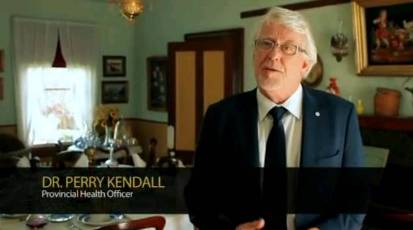
The debate should be well over in the view of the person entrusted with overseeing public health in British Columbia: public health officer Dr. Perry Kendall. Time and again Kendall has tried to explain that there is, to quote the headline on one of his press releases, "Nothing to fear from radiation in B.C." 
議論はしつくされたというのが、BC州の保健取り締まりを委託されている保健担当官のペリー・ケンダル博士の見解です。再三再四、ケンダル氏はプレスリリースの見出しにもあったように、「BC州で放射能からの怖れは何もない」と説明してきました。 


kendall.jpg


Yet The Tyee has learned that Kendall became so concerned about calming the public fears that he considered unfounded that he urged the Department of Fisheries and Oceans to carry out a special round of testing as a "vital communications initiative." 
しかし、当誌はケンダル氏が根拠がないと考えている人々の不安をなだめることをとても重要視し、水産海洋省に「きわめて重要なコミュニケーションイニシアティブ」として、特別にもう一度検査を行うように促がしたことを知りました。 


Last December, Kendall's office said that such testing was no longer necessary because Ottawa had taken new safety measures. But then last month it appeared to reverse itself a second time, telling The Tyee that, due to "continuing misinformation on the internet," it would ask Ottawa yet again to conduct new fish testing in 2013. 
去年の12月ケンダル氏のオフィスでは、オタワが安全対策をとったのでその様な検査はこれ以上必要ないのだと述べていました。しかし、その考えは反転したようです。これが2度目です。当誌にたいし、「インターネット上で間違った情報が流され続けている」のでオタワにもう一度2013年に魚の検査をするように要請したのだと話してくれました。 


One widely read publication has repeatedly told a different story about risk and contamination of fish by Fukushima's reactors. Vancouver weekly newspaper the Georgia Straight published several long feature stories on the radiation subject by award-winning journalist Alex Roslin, two with cover paintings of deformed three-eyed fish, with headlines such as "Japan's Fukushima Catastrophe Brings Big Radiation Spikes to B.C." and "What are Officials Hiding about Fukushima?" 
広く読まれているある出版物が、福島原子炉による魚の汚染の危険性について、繰り返し異なった話を伝えています。バンクーバーの週間新聞ジョージア・ストレイトが受賞暦のあるジャーナリスト、アレックス・ロスリン氏による放射能についてのいくつかの長い記事を発表したのです。そのうち2つは、3つ目の魚の絵のカバーで、タイトルは、「日本の福島の惨事でBC州の放射能レベルが急上昇」というものと、「政府は福島について、何を隠しているのか」というものです。 


Picture1_20120727140706.jpg 
click image to go to this article


Given what is at stake, this is no small difference of opinion. Is B.C.'s senior medical health officer wrong in assuring us that Fukushima radiation poses no risk for British Columbians? Or has the public been misled by reports that the threat is being ignored? 
何が問題なのかを考えると、これは、小さな意見の違いではありません。BC州のベテラン衛生医が、福島からの放射能が住民に与える危険性について安心させているのは間違っているのでしょうか? 


Fukushima's fright
福島の恐怖
 

The March 11, 2011, earthquake that struck Japan caused a series of equipment failures, nuclear meltdowns, and releases of radioactive materials at the Fukushima I Nuclear Power Plant. It was the largest nuclear accident since the Chernobyl disaster in 1986 and only the second one (along with Chernobyl) to measure Level 7 on the International Nuclear Event Scale. 
2011年3月11日、日本を襲った地震は福島原発で一連の設備不良、原子炉メルトダウン、放射能物質の放出を引き起こしました。それは、1986年のチェルノブイリの惨事以来、最悪の原子力事故で、国際原子力事故規模のレベル7となったたった2つ目のものでした。 


The nightmarish disaster in Fukushima inevitably raised questions about possible impacts on British Columbia's population, air, water, and fishing industry. 
福島での悪夢のような惨事が、BC州の住民に与える可能性のある影響について疑問を投げかえることは避けられませんでした。 


After the crisis, pharmacies and military surplus stores in B.C. said people scrambled to buy medication for radiation exposure and supplies like Geiger counters and gas masks, despite Kendall's warnings that taking the medication (mainly potassium iodide) in the absence of high radioactivity can be harmful. 
その危機の後、BC州の薬局や軍事余剰品の店は、被曝用の薬やガイガーカウンター、ガスマスクを買いに人々が殺到しました。ケンダル氏が薬(主にヨウ素剤)を危険となる高い放射能が存在しないのに飲むことについての警告をしたにも関わらずです。 


Such fears were bolstered by some of the media, Kendall told The Tyee. For example, he said key claims in the Georgia Straight stories were scientific "nonsense." 
いくつかのメディアがそのような恐怖を支持したのだとケンダル氏は話しました。たとえば、ジョージア・ストレイトの記事の主な主張は科学的に「ナンセンス」なのだといいます。 


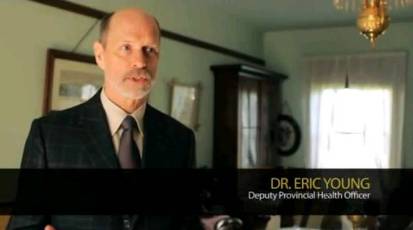
Kendall's deputy Dr. Eric Young said, "There is so much miscalculation and misunderstanding evident in the articles it is hard to know where to begin." 
ケンダル氏の代理であるエリック・ヤング博士はこう述べました。「その記事にはあまりにも多くの計算間違えと誤解があるので、どこから始めればよいのかも分からない。 」 


eric.jpg


The Georgia Straight has since retracted some of its reporting about radiation threats. At the top of its Aug. 3, 2011 story headlined "Japan's Fukushima Catastrophe Brings Big Radiation Spikes to B.C." is appended this note: "Editor: This story has rectified information on how levels of radioactive iodine-131 detected in the air in Canada after Fukushima compared with the Canadian Nuclear Safety Commission's ceiling for iodine-131. The original story mistakenly said that ceiling was exceeded. We regret the error." 
ジョージア・ストレイトは放射能の恐怖についてのその報告のいくらかを取り消しています。その最たるものが2011年8月3日の記事、タイトルは「日本の福島の惨事でBC州の放射能レベルが急上昇」で、次のような注意書きが付け加えられました。「編集者:この記事は、福島事故の後、どのくらいのレベルのヨウ素131がカナダの空気中に検出されたのかについての情報を、カナダ原子力安全委員のヨウ素131の限界値と比較して修正しました。元の記事は、謝って限界値を超えたと書かれていました。間違えがあったことをお詫びします。」 


However Roslin, the author of the stories, defends the overall thrust of his pieces, providing The Tyee with lengthy rebuttals to critics, which are in this pdf. He writes that "any amount of radiation is unsafe and dangerous," and, of Kendall's agency, "I got the impression its overriding priority after Fukushima was to reassure the public -- more than to monitor possible problems." 
しかしながらこの記事の著者であるロスリン氏は、彼の記事への全体的な攻撃を、このPDFにあるような、批判に対する長い反論を持って弁護します。彼は、「どんな量の放射能も安全ではなく、危険なのだ」と書いています。そして、ケンダル氏の機関が「福島後には、人々を安心させる事が、可能性のある問題をモニタリングする事よりも優先しているいう印象がある。」と。 


Kendall decries 'cherry picking data'
「いいとこどりのデータ」と非難するケンダル氏
 

Expectant parents in Vancouver reading the Aug. 3, 2011 edition of the Straight could have been unsettled to learn "some impacts" from Fukushima "may have already occurred in North America" because infant mortality in eight cities in the U.S. Northwest jumped 35 per cent after the disaster, according to a website called Counterpunch which quoted data from the U.S. Centers for Disease Control. 
2011年8月3日号のストレイトを読んだバンクーバーで親になる予定だった人達は、「福島からの影響が既に北米で起こっているのかもしれない」と知り、落ち着かなかったかもしれません。アメリカ疾病管理センターからのデータを使い、カウンターパンチと呼ばれるウェイサイトがアメリカの北西8都市で幼児の死亡数が福島の災害のあと35%跳ね上がったと載せたからです。 


Kendall replied that: "This has clearly been demonstrated to be a case of cherry picking statistically expected variations from the norm, has no biologically plausible causal link, and does not reflect any link to measured radiation in the atmosphere.... This analysis had been widely debunked by multiple sources within days of its first appearance." 
ケンダル氏はこのように答えました。「これは、明らかに最頻値から統計的に変動値として考えられる、いいとこどりのケースを論証するというものでした。生物学的に原因との関連性に真実味がなく、大気中で測定された放射能とのどんな関連をも反映していないのです。この分析は表に最初に姿を現してから数日の間に、いろいろな情報源で広く暴かれました。」 


When reporting on a test of Japanese fish catches last June, the Straight said: "All of these catches exceed Japan's 100 Bq/kg ceiling for cesium in food, but none would have surpassed Canada's much higher ceiling, which is 1,000 Bq/kg." 
去年の6月に日本の魚の検査について報告されたとき、ストレイトは、こう述べました。「これら収穫された全てが日本の食事に含まれるセシウムの限界値、1kgあたり100ベクレルを超えたが、そのどれもがずっと高いカナダの限界値である1kgあたり1000ベクレルを超えることはないのだ。」と。 


Kendall replied that: "The Japanese are now using an action level for radioactivity in food that is one tenth of the international, Codex Alimentarius level (100 vs 1000 Bq/Kg). They have done this to reassure consumers and customers of their diligence and their product safety. To turn this around and talk about the percentage of samples exceeding the Japanese action level, as being proof of dangerous levels, is disingenuous at best." 
ケンダル氏はそのことにこう答えました。「日本は今国際基準、つまりコデックス食品法典レベルの10分の1なのです。(100対1000)日本は消費者、勤勉な顧客、そして製品の安全を保証するためにそのようにしています。このことと取り違えて、危険なレベルの証明として日本の基準値を超えたサンプルの割合について話すのは、ひいき目にみても不誠実です。」 


Another story in the magazine said that, "Some migratory B.C. salmon stray into Japanese waters or could traverse a vast mass of radioactive water -- now slowly making its way eastward across the Pacific -- which is expected to reach the North American west coast by 2017." Kendall replied that the notion of a mass of radioactivity crossing the Pacific and hitting the North American west coast at some point in the future is absurd, because radioactive isotopes would not hang together in a pool any more than a puddle of dye would. 
ストレイトの他の記事では、「BC州の回遊するサーモンが日本の海に留まっている、とか、膨大な量の放射能汚染水が横断してくる可能性があり--今、ゆっくりと太平洋を渡り東へと渡っている--2017年までに北米西海岸に到着と予測されている。」と述べられており、ケンダル氏は、放射能汚染が太平洋を渡り、将来いつかは北米西海岸に到達するという認識は、不合理だと答えました。放射性核種は、染料の塊のように水のよどみに固まるということがないからです。」 


Others doubt the likelihood of the last scenario too. "I've talked to lots of fishermen and the issue of radiation never came up," said Maurice Cardinal, business development director of the B.C. Salmon Marketing Council. The salmon that B.C. fishermen do catch come down the coast from Russian by way of Alaska, he added. The longest salmon trip is roughly 8,000 kilometers total and "it would be a stretch to think they would ever go near Japan." 
他にもその様に疑う人たちがいます。「多くの漁師と話しましたが、放射能の問題は出てきませんでした。」とBC州サーモンマーケティング評議会のモーリス・カーディナル会長は話しました。BC州の漁師はアラスカ経由ロシアから降りてきて漁をするのだと付け加えました。最も長くサーモンが回遊するのは、全行程大体8000kmで、「日本の近く行くと考えるのは、無理があるでしょう。」 


Kendall's plea to feds
ケンダル氏の連邦政府機関への嘆願
 

Last June, in yet another attempt to allay public concerns, B.C.'s provincial health officer privately asked federal officials to test migrating salmon and tuna for possible radiation after the quake. But the federal government declined his request, calling it unnecessary because very little radiation had been found in fish reaching Canada to date and many other kinds of monitoring were ongoing. 
去年6月、人々の懸念を和らげる更なる試みにおいて、BC州の保健担当官は個人的に連邦政府官僚に回遊サーモンとツナの地震後の放射能汚染の可能性を検査するように要請しました。しかし、連邦政府はその要請を断りました。今まででほんの少しの放射能がカナダに到達している魚で見つかっているだけで、他の類のモニタリングが引き続き行われているから必要ないのだ、ということでした。 


In making his plea, Kendall wrote to Robin Brown at the federal fisheries department's institute in Sidney, B.C., on June 4, 2012. (The letter was obtained by The Tyee through the freedom of information law.) 
ケンダル氏は、BC州シドニーにある連邦政府水産省の研究所のロビン・ブラウン氏に宛てた嘆願書を2012年6月4日に書きました。 


"We would not send same letter today," deputy provincial health officer Eric Young told The Tyee last December. "We are happy with their response, and much more reassured then we were at that time." 
「私たちは、同じ手紙は送りません。」と去年12月に当誌に対してBC州の代理保健官、エリック・ヤング氏は話しました。「連邦政府の回答に満足でしたし、当時よりはるかに安心できるものでしたから。」 


Among the many reasons, Young said at that time, is that Washington State monitors salmon (posting the results online) and all have been found safe so far, and his office is also part of a joint provincial-federal-American scientific fish-monitoring group that meets each month. 
多くの理由の中でも、その時ヤング氏が言っていたのは、ワシントン州がサーモンのモニタリングをしていて、(検査結果はウェブに載っています)全てが今のところ安全だと分かっていること、そして彼のオフィスが州、連邦政府、アメリカ科学魚類モニタリンググループの連携グループに参加し、毎月会合を持っているからです。 


But last month, Young's office appeared to reverse itself a second time, telling The Tyee that, due to "continuing misinformation on the internet," it would yet again ask that new fish testing be done later in 2013. "The reason for that is the continuing misinformation about risk that one finds on the internet related to possible contamination," he said. 
しかし先月、ヤング氏のオフィスは明らかに再びその考えを翻したようです。当誌にたいし、「今も尚続くこの件についての誤った情報」のために、再び2013年の後半に新しい魚の検査を求めるのだ、というのです。「そうする理由は、可能性のある汚染に関連するインターネットで見られる危険性についての誤った情報が出続けているから」だと言います。 


Kendall's letter sent last June might appear to some more driven by the need for public reassurance than by scientific necessity. 
去年の6月に送られたケンダル氏の要請書は、科学的必要性から、というよりは、人々を安心させる必要性という動機からのものかもしれません。 


He began by writing that British Columbians were worried about decisions by the Canadian Food Inspection Agency (CFIA) and the Department of Fisheries and Oceans (DFO) to not do any more testing of Pacific salmon or other migratory fish that return to B.C. waters. 
彼は冒頭で、BC州の住民がカナダ食品検査機関と水産海洋省が太平洋のサーモンと、BCの海に戻ってくる回遊魚の検査をしないことについて心配している、と述べました。 


"There remains great public concern about the potential for radiation contamination in these fish species because of the emergency at the Fukushima Diiachi nuclear power plant in Japan," wrote Kendall. He cited a dozen messages from citizens, First Nations communities, and repeated articles in local newspapers about a perceived risk. 
「日本の福島第一原発での緊急事態のため、それらの種の魚が放射能で汚染されている可能性があることについては、未だに人々の大きな懸念となっています。」とケンダル氏は続けました。彼は、12通のメッセージが市民、先住民社会から届き、危険視する地元新聞に記事が繰り返されているのだと述べました。 


He added that he was aware that scientific data showed very low levels of radiation in the marine environment and that DFO and CFIA testing in summer 2011 had revealed no concerns. Yet new reports of tuna off the coast of California with slightly elevated cesium levels were rekindling local public worries. 
ケンダル氏は、科学的データが海洋環境の放射能レベルが低いことを示していて、水産海洋省と食品検査機関の2011年の夏の検査が心配のないことも示しているが、カリフォルニア沖で獲れたツナにわずかなセシウムが報告されたことで人々の不安が再燃した、と付け加えました。 


"Given this level of concern and potential disastrous impact on the industry, we are officially requesting that CFIA and DFO revisit their decision to not test salmon or tuna returning to British Columbia shores this coming season," urged Kendall. 
「人々の心配の大きさと、海産物業界に与える災害の影響の可能性を考えて、食品検査機関と水産海洋省にはBC州海岸に今度のシーズンに戻ってくるサーモンとツナの検査をしないという判断を考え直すように要請しています。」とケンダル氏は強調しました。 


"While it is unlikely that we will detect radiation levels that are of concern it is critical that we can say with confidence that we are monitoring the safety of this important fish source ... We are prepared to be supportive partners in this vital communications initiative." 
「心配なレベルの放射能が検出されルことはないと思うが、重要な魚の安全をモニタリングしているのだと自信を持って言えるということが重要で、このきわめて重要なコミュニケーションイニシアティブを支援するよう準備しています。」 


A response letter was sent to Kendall, signed by three officials Brian Evans, chief safety food officer of the CFIA; Paul Gully, senior medical advisor of Health Canada; and David Butler-Jones, chief public health officer of the Public Health Agency of Canada. They assured Kendall that Ottawa had already taken many measures to protect the B.C. food supply from Japanese radiation. 
その返事がケンダル氏に送られました。3名の事務官により署名されているものです。カナダ食品検査機関、食品安全チーフ、ブライアン・エバンズ、ヘルスカナダ医療顧問、ポール・Gully、カナ保健庁保健官、ディビット・Butler-Jones。彼らは、オタワが既にBC州の食品供給を日本の放射能から守るための多くの手段が講じられているのだとケンダル氏に請け負いました。 


For instance, in August 2011 and February 2012, the CFIA tested domestic migratory fish for radionuclides and all were found safe. Domestic milk and fish samples collected in B.C. three months after the quake were tested with the same result. Moreover, the CFIA, Canada Border Services Agency and others had stepped up import controls on Japanese products. The design of Health Canada's surveillance program called the Total Diet Study was amended last year to be conducted in Vancouver for both imported and domestic foods. 
例えば、2011年8月と2012年2月に、CFIAは回遊性の国産魚の放射性物質を検査し、全て安全だと分かりました。国産ミルクと魚のサンプルは地震の後3ヵ月後にBC州で集められ、検査結果は同じものでした。更に、CFIAとカナダ国境サービス庁や他の機関は日本製品について輸入取り締まりへ踏み出しました。ヘルスカナダの監視プログラム計画はトータル・ダイエット研究と呼ばれ、去年輸入食品と国産品両方についてバンクーバーで行うように修正されたのです。 

[Click here to see Powerpoint: "March15-2012-Radiological testing of air and water in BC after Fukushima."] 


'Leave it to the scientists'
「科学者の手に託す」
 

"I believe the science put in front of me," said New Westminster NDP MP Fin Donnelly, the party's fisheries critic. "I am not convinced now there is any radiation risk, but I remain open to any new evidence. I'd like to leave it to the scientists, who know more than the politicians. 
「私は目の前の科学を信じます。」と新民主党の漁業批評家、ニュー・ウェストミンスターのフィン・ドネリー議員は話しました。「私は放射能の危険性があるとは信じていません。しかし新しい証拠を歓迎します。政治家よりもよくわかっている科学者に任せたいと思います。 


"But I would add that so many cuts have been made to DFO and CFIA and other departments that it may be tougher for them to do the kind of testing that's needed to really make sure Canadians are safe." 
「水産海洋省と食品検査機関や他の省庁がかなり予算削減されたことを付け加えておきます。本当にカナダ人の安全を確かなものにするのに必要なその様な検査をするのが困難であるかもしれません。」


The Tyee was unable to interview any Health Canada scientists employed by the Canadian government, due to the Harper government's tight restrictions on who can speak to the media. (A report was released last February to protest this policy. In fact, some American scientists told The Tyee they are pleased to speak freely because their press policy "is not like what you have in Canada.") 
当誌は、ヘルスカナダの政府に雇われている科学者にインタビューすることはできませんでした。ハーパー政権のメディアに話すことのできる人物についての厳しい制限のためです。(この政策に抗議するために、去年2月に報告書が公開されました。実際に、何人かのアメリカの科学者は、当誌に対し自由に話すことを快く引き受けると話してくれました。彼らの報道政策は、カナダのようなものではないからだ、と。) 


"On the basis of available information to date from CFIA, U.S. agencies and private testing, the CFIA approach is sound," Christina Burridge, executive director of the B.C. Seafood Alliance, told The Tyee about the current state of fish testing. "I am confident that if that information changes so would the CFIA approach." 
「CFIA、アメリカの機関や民間の検査からの見ることのできる情報を元に考えれば、CFIAのやり方は堅実です。」とBC州海産物連合の事務局長、クリスティナ・Burridge氏は現在のBC州の魚の検査について話しました。「私は、その情報に変化があれば、CFIAのやり方も変わるのだと信じています。」 


If Donnelly is looking for other sources with their own testing and measures of risk, he could listen to several American scientists. 
もしドネリー議員が独自で検査したほかの情報や危険性の評価を求めるとすれば、何人かのアメリカの科学者に聞くでしょう。 


Can fish test results from Washington or Alaska apply to B.C. as well? "Yes, absolutely," said Gary Freitag, a fish biologist and associate professor of oceanography at the University of Alaska, who also sits on the Pacific Salmon Commission. The vast majority of salmon in Alaska -- which is mostly Chinook and a bit of Coho -- come up from Washington state, through B.C., because there is more food in his state, he told The Tyee. 
ワシントン州やアラスカからの魚の検査結果はBC州にも当てはまるでしょうか?「はい、もちろんです。」と魚の生物学者でありアラスカ州立大学の海洋学準教授で、太平洋サーモン委員会のメンバーでもあるギャリー・Freitaga氏は言いました。アラスカのほ膨大な大多数のサーモンは、ほとんどがチヌークで、少しコーホーもありますが、ワシントン州から来てBC州を通り抜けます。食べ物が多いからだ、と彼は話しました。 


salmon route


The state government of Alaska in an April 2011 press release echoed Kendall, saying: "Food harvested from the sea is very unlikely to have any harmful levels of radiation and is safe to eat. The great amount of water in the ocean quickly dilutes the concentration of harmful radioactive material." 
2011年4月11日のアラスカ州政府のプレスリリースはケンダル氏の言葉を繰り返していました。「海から収穫される食品が有害なほどまでの放射能レベルを含んでいることはまずありそうもなく、食べても安全です。海中の大量の水は、有害な放射性物質の濃縮をすばやく薄めるのです。」 


Freitag generally agrees with this view. "I'm not a bit of afraid of any seafood product caught in this area, and I eat a tremendous amount of it," he said, because there is not much Alaska fish getting over to the Japanese exposure area. "The fish caught in our area, if they are exposed, must have a very, very low dosage, because the ocean dilution factors are huge. Speaking personally, however, I would definitely be leery of Japanese farmed fish or shellfish imported here." 
Freitag氏もこの考えに概ね同意しています。「この地域で獲れる海産物を食べるのに怖いことはちっともありません。大量に食べています。」日本の地域に曝されるまでに回遊するアラスカの魚はそんなにいないからだと言います。「私たちの地域で獲れる魚は、もし被曝していたとしても、ごくごく低量のものです。海の薄め要因が大きいからです。 個人的なことを言えば、私はここに輸入される日本の養殖の魚や貝類は間違えなく警戒しています。」 


Regarding tuna, test results from Oregon last October found radiation levels in fish far below anything that would pose a risk to humans who consume the fish, although the findings were preliminary and more fish remain to be tested.
ツナについては、去年10月、オレゴン州からの検査結果から放射能汚染が発見されましたが、魚を消費した人を危険に曝すようなレベルからはかなり低いものでした。もっとも、その発見は予備的なもので、更に多くの魚が検査されることになっています。 


An interdisciplinary team of scientists from Oregon State University and the National Oceanic and Atmospheric Administration collected and tested fish caught off the U.S. West Coast both before and after the 2011 quake. 
オレゴン州立大学とアメリカ海洋大気庁の他分野にわたる科学者のチームはアメリカ西海岸から2011年地震の前と後にとれた魚を集め検査しました。 


The Oregon scientists did indeed find trace amounts of the radioactive isotope Cesium-134, which they said could only have come from the Fukushima reactors. "It's very interesting scientifically," said Delvan Neville, a graduate researcher with OSU's Radiation Health Physics program. "But it's nowhere near enough to be concerned about food safety." People are constantly exposed to radiation from the natural environment, Neville added. To increase their normal annual dosage of radiation by just 1 percent, a person would have to eat more than 4,000 pounds of the highest (radiation) level albacore they've seen. 
オレゴン州の科学者たちは実に福島からのものだと唯一分かるセシウム134放射性核種をわずかに発見しました。「科学的に、それはとても興味深いことです。」とオレゴン州州立大学の放射線ヘルス物理プログラムで学士を持つデルバン・ネビル氏は付け加えました。「しかし、食品安全について懸念するに足るほどのものでは全くありません。」人間は常に自然環境からの放射線に曝されているのだ、とネビル氏は言います。通常の年間被曝量を1%だけ増やすには、その汚染が最も高かったビンナガマグロを4000パウンド(1814kg)以上食べなければならないのです。 


Make tests broader: math prof
検査を拡大させる:数学教授
 

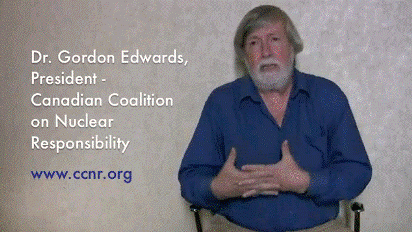
Amongst the critics of government's nuclear safety claims, the leading Canadian spokesperson, who is most often cited in alternative media, is Gordon Edwards, a math professor at Montreal's Vanier College and president of the Canadian Coalition for Nuclear Responsibility. 
政府の原子力安全の主張についての批判の中でもリーダー格のカナダ人スポークスマンで、非伝統的メディアで最も頻繁に言及される人物が、ゴードン・エドワード氏です。モントリオールのバニエ・カレッジの数学教授であり、カナダ原子力責任連合の代表でもあります。 


gordon.gif


In speaking to The Tyee from Quebec by phone, Edwards began with the caveat that "I am not the expert on food radiation, and I couldn't really comment on what officials in B.C. have done." 
ケベックからの電話での会話で、エドワード氏は「私は食品の放射能についての専門家ではなく、BC州で公的に行われた事についてコメントできる立場では本当にありません。」という前置きで話し始めました。 


Still, he has definite opinions on what should be done. Edwards said to test the fish for only the first year after Fukushima is wrong because radiation builds up in food chains over a long time, even centuries. "I'm very sad if they have the attitude that if they found low levels only in the first year, then more testing is a waste of time. That is Alice in Wonderland science." After all, he added, the mercury level of fish in northern Quebec was not considered a risk until it had already affected people. 
それでも彼には、なされるべきことについて確かな意見があります。エドワード氏は福島事件のたった1年後だけ魚の検査をするというのは間違っていると言います。放射能は食連鎖の中で長期に渡り、何世紀にも渡ってさえも蓄積するからです。「もし彼らが最初の年だけに低レベルを発見したことでそれ以上の検査が時間の無駄だという態度であればとても悲しいことです。それは、不思議の国のアリス科学です。」最終的に、ケベック北部の魚の水銀レベルは人々に影響を与えてしまってからしか危険性が考慮されなかったのだと付け加えました。 


His coalition's website lists 211 radionuclides and Edwards said all those would be present in emissions from Fukushima. 
カナダ原子力責任連合のウェブサイトには211種の放射性物質がリストされています。エドワード氏はこれら全てが福島から排出され存在しているのだと言います。 


"I expect they are monitoring only for a very few. Cesium-134, for example, gives off a distinct gamma radiation, but you can't test that way with the other types. There are many radionuclides that are very toxic but very hard to detect, like plutonium and strontium-90. If you don't look for them, you won't find them." (Young responded to Edward's theory: "Is his hypothesis that the fish swim through an area with radioactive water from the Fukushima plant and select out plutonium and strontium and somehow avoid the cesium?") 
「ほんの少ししかモニタリングされていないでしょう。例えばセシウム134は明確なガンマ放射線を発しますが、他のタイプのものはその様な方法では検査できないのです。検出するのが困難な有害放射性物質が他にも沢山あります。プルトニウム、ストロンチウム90のようなものです。もしそれらを見ようとしなければ、見つけることはないでしょう。」(ヤング氏はエドワード氏の理論にこう答えました。『彼の仮説は、福島原発からの放射性海水の海域を回遊した魚が、プルトニウムやストロンチウムだけを選び、セシウム避けたということでしょうか?』) 


Much post-Fukushima testing has already been done, as noted above. Yet Edwards still remains unsatisfied. For example, in 2011 the British Columbia Centre for Disease Control (BCCDC) did test drinking water in Metro Vancouver water plants and found no measurable radioactivity. "Why did they not test for plutonium? Seems silly not to do the measurement!" 
上記に述べられたように、福島後の検査は既に多くがなされています。それでもエドワード氏は満足していません。例えば2011年にBC州疾病管理予防センターはメトロバンクーバーの水処理場で飲料水の検査をしましたが、放射性物質は検出されませんでした。「なぜプルトニウムを検査しなかったのでしょう?測定をしないのは愚かでではありませんか!」 


Often when health officials test water, he continued, they only look at gamma radiation, and yet there are three major forms -- alpha, beta and gamma -- and the first two are harder to detect. "I don't know if they tested for all of them, but I suspect they only tested for gamma." (Yet in fact, the BCCDC did test the water for all three.) 
保健官が水を検査するときはしばしばガンマ線の放射能だけを観察するが、3つの主要な形があり(アルファ線、ベータ線、ガンマ線)、最初の2つは検出が困難なのだ、と続けました。 


Can government scientists' claims be trusted? After a long thoughtful pause, Edwards replied: "I'm not saying it's absolutely true or false, it's not so black and white. You must realize that all governments have a vested interest in reassuring the population. So there's a certain amount of perhaps justified paternalism here, in the sense of thinking 'we don't want people to have sleepless nights.' 
政府の科学者たちの主張は信頼できるものでしょうか?長い思案の末、エドワード氏は答えました。「私はそれが絶対的に正しいとか間違っているとか言っているのではありません。白か黒かではないのです。全ての政府機関には住民を安心させるという与えられた利害があることを認識しなければなりません。つまり、多少なりとも温情主義があるだろうということです。そういう意味で、人々が眠れない夜を過ごして欲しくない、という考えです。」 


"There's two levels of irrationality that should both be avoided – one is to overstate the danger to a ridiculous degree, and the other is to understate it. I think both are doing a disservice to people. But I'm not in B.C. Perhaps they are being vigilant. If so, good for them." 
「2つの不合理性があり、それらは避けなければなりません。-1つは放射能の程度に対する危険を大げさに言うこと、そしてもう一つは、過小評価することです。その双方が人々に害になると思います。しかし私はBC州にいません。おそらく彼らは警戒を怠っていないのかもしれません。そうだとすれれば、良いことです。」 


The Tyee also asked Roslin if readers could gain an impression from his stories that officials' claims are generally untrustworthy. "I think that would be a misinterpretation," he replied. "I quoted doctors who are critical of the lack of monitoring by various governments, scientists who have done good work in this field, and government officials who made reasonable statements." 
自分の記事から読者が政府機関の主張が概して信頼できるものではないという印象を持ったかどうかロスリン氏にも尋ねてみました。「それは誤まった解釈だと思います。」と彼は答えました。「私は、いろいろな政府機関、その分野で優秀な科学者たち、そして納得のいく声明を出せる政府の高官によるモニタリングの欠如に批判的である医師たちの言葉を引用したのです。」 


In the end, B.C. deputy public health officer Eric Young doesn't expect any press release, scientific study or media report to put the issue totally to rest. "I would eat fish from Japan, absolutely," he said. "Canadians are at far higher risk from smoking and obesity. We want to give people the true facts and let them decide, but unfortunately some people will never be persuaded by facts." 
最後になりますが、BC州保健官代理のエリック・ヤング氏は、この問題を完全にリセットするためにプレスリリースや科学的研究、あるいはメディア報告はないだろうと考えています。「私はもちろん、日本からの魚を食べます。カナダ人には喫煙や肥満から、ずっと高い危険性があるのです。私たちは人々に真の事実を提供し、自分で決断して欲しいと思っています。しかし残念なことに事実をもってしても決して納得できない人がいるのです。」 


At least one person who's not worried about eating radiated fish is MP Fin Donnelly, but for a quite different reason. "I'm a vegetarian," he chuckled. "A little lower down the food chain." 
少なくとも放射能汚染された魚を心配していないのは、フィン・ドネリー議員です。しかし全く違う理由からですが。。「私はベジタリアンなので、食連鎖の下のほうなのです。」とほくそえみました。